
Temperament, Care, Training & Health
 1. Beagle Overview
Beagle Guide - Beagles are one of the most recognized and cherished dog breeds worldwide, instantly recognized by their expressive eyes, floppy ears, and tricolor coats. Energetic yet affectionate, Beagles fit seamlessly into active households, whether in city apartments or countryside homes. Understanding their physical traits, behavior, and lifestyle needs is essential for ensuring a happy, healthy relationship with this spirited breed.
Beagles are medium-sized hounds, perfectly designed for endurance and scent-tracking. Their compact frame makes them agile and adaptable, while their sociable nature ensures they thrive as companions. Beagles are not just pets—they are active participants in family life, craving interaction and engagement.
Key Characteristics:
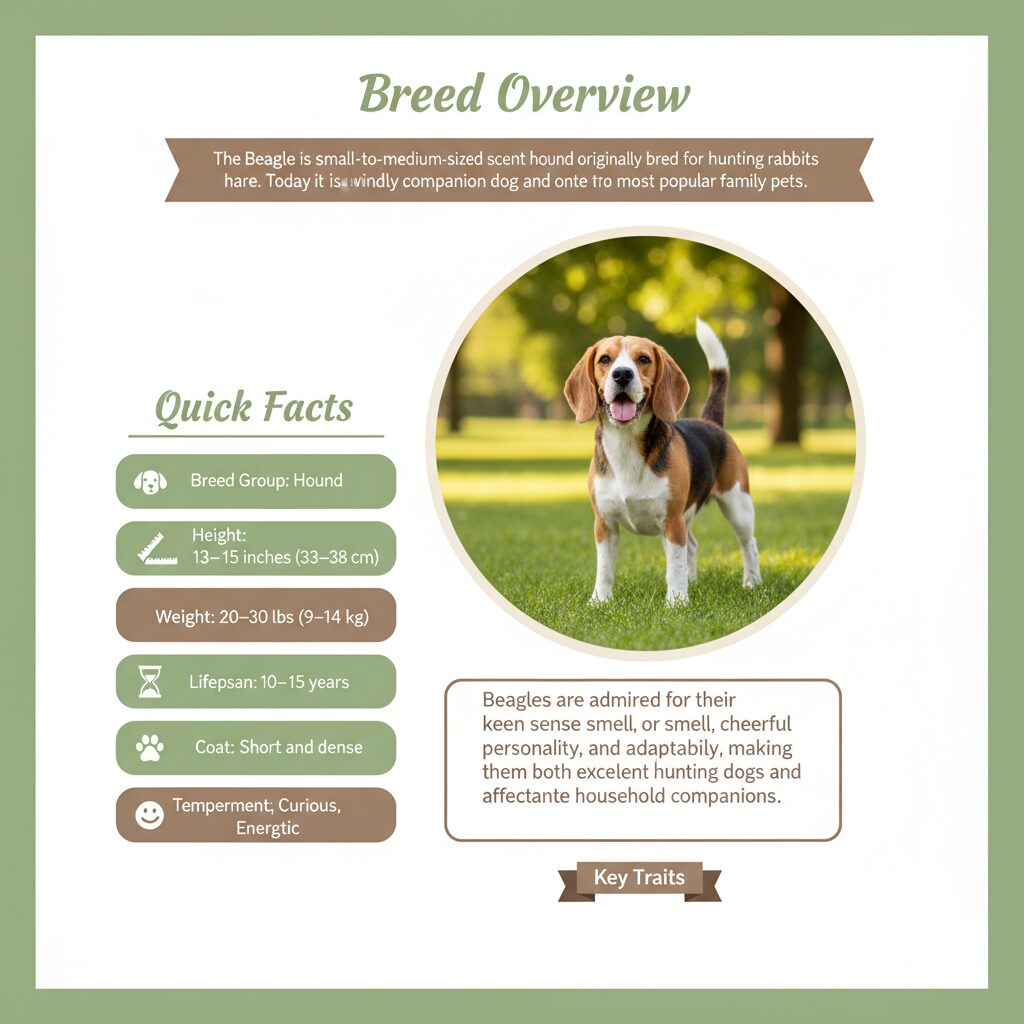
- Height: 33–38 cm
- Weight: 9–14 kg
- Life Expectancy: 10–15 years
- Temperament: Friendly, curious, energetic
- Best For: Families, active owners, homes with other dogs
Practical Owner Advice:
- Beagles do best with consistent routines.
- Incorporate scent-based play into daily walks to prevent boredom.
- Socialize early to prevent shyness or anxiety.
 2. History of the Beagle
 2. History of the Beagle
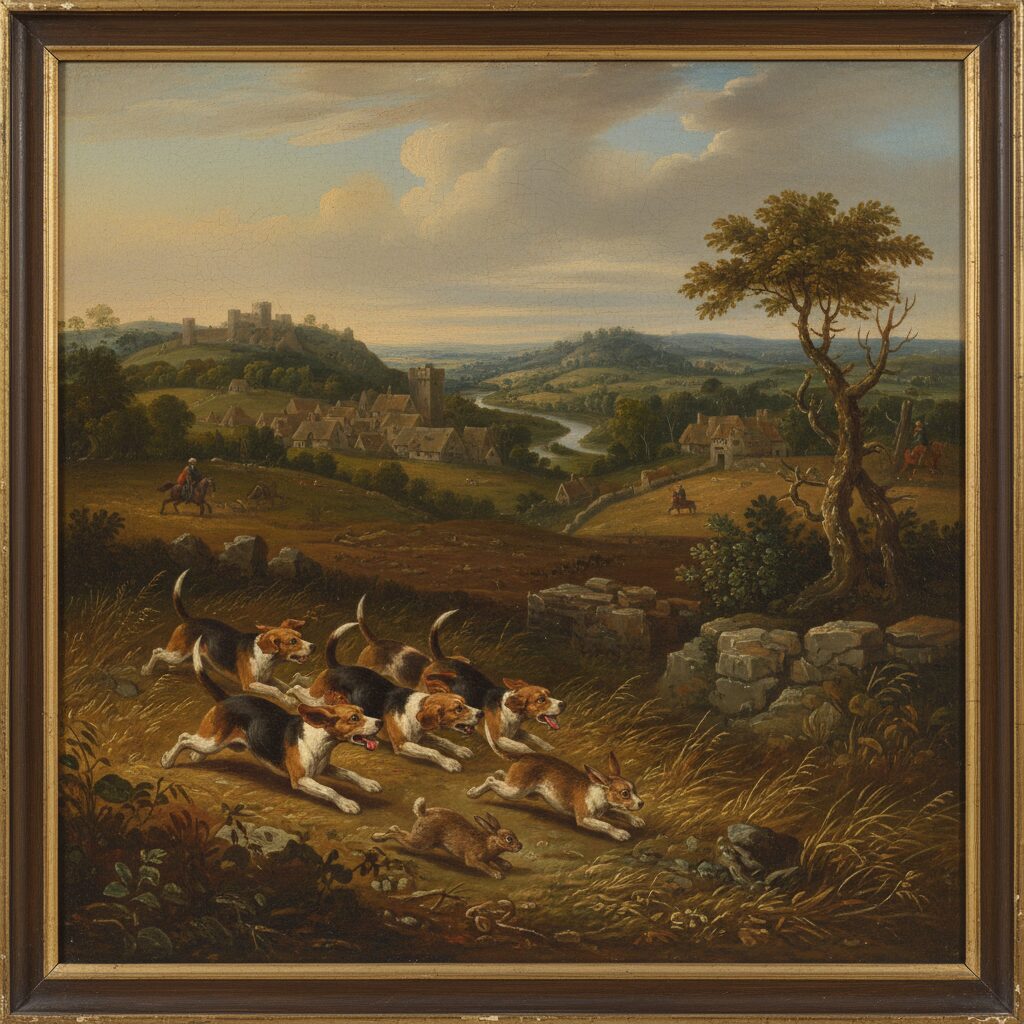
The Beagle’s story stretches back centuries, evolving from a skilled hunting companion to a beloved family pet. Understanding their history offers insight into their energy, curiosity, and keen sense of smell, explaining why Beagles are so driven to explore their world.
Originating in medieval England, small scent hounds were bred specifically for rabbit and hare hunting. Over generations, breeders emphasized endurance, keen noses, and sociable temperament, producing the Beagle we recognize today. By the 19th century, the breed was standardized, with the American Kennel Club recognizing it officially in 1885.
Notable Anecdotes:
- The comic strip Snoopy helped popularize Beagles globally, making them a household name.
- Beagles historically worked in packs, which explains their sociable and cooperative nature.
Practical Owner Advice:
- Their hunting ancestry means they can have a strong prey drive. Avoid letting them off-leash in unsecured areas.
- Use scent-based activities to tap into their natural instincts, providing mental stimulation.
3. Beagle Breed Characteristics
 Beagles are instantly recognizable, not just for their adorable appearance but for features that reflect centuries of selective breeding for hunting. Their physical traits influence not only their looks but also their behavior and energy levels.
Physical Traits:
 Physical Traits:
- Muscular, compact body for agility
- Floppy ears that help trap scents
- Expressive brown or hazel eyes
- Short, dense coat for easy maintenance
- White-tipped tail for visibility during hunts
Coat Colors and Patterns:
- Tricolor (black, white, tan)
- Lemon & white
- Red & white
- Chocolate tricolor (Not recognized by KUSA)
- Blue tick
Size & Weight Table:
Characteristic Measurement
- Height 33–38 cm
- Weight 9–14 kg
- Life Expectancy 10–15 years
Practical Owner Advice:
- Check ears weekly for infections due to drooping ears.
- Use coat brushing as a bonding activity.
- Understand that small size doesn’t mean low energy—Beagles need daily exercise.
4. Beagle Personality and Temperament
Few breeds balance curiosity, intelligence, and affection as effortlessly as Beagles. Their social instincts make them excellent family pets, but their independence and scent-driven focus can create challenges for first-time owners.
Key Traits:
- Affectionate and loyal to family
- Highly intelligent but occasionally stubborn
- Curious and easily distracted by scents
- Social and good with children and other pets
Anecdotes:
- Owners often notice that Beagles will follow smells for long distances, occasionally ignoring calls.
- They are happiest when they feel part of a pack, which explains why they enjoy multi-dog households.
Tips for Owners:
- Provide mental stimulation through scent games or puzzle toys.
- Teach recall commands early and practice consistently.
- Incorporate short, interactive training sessions to prevent boredom.
5. Why Beagles Follow Their Nose
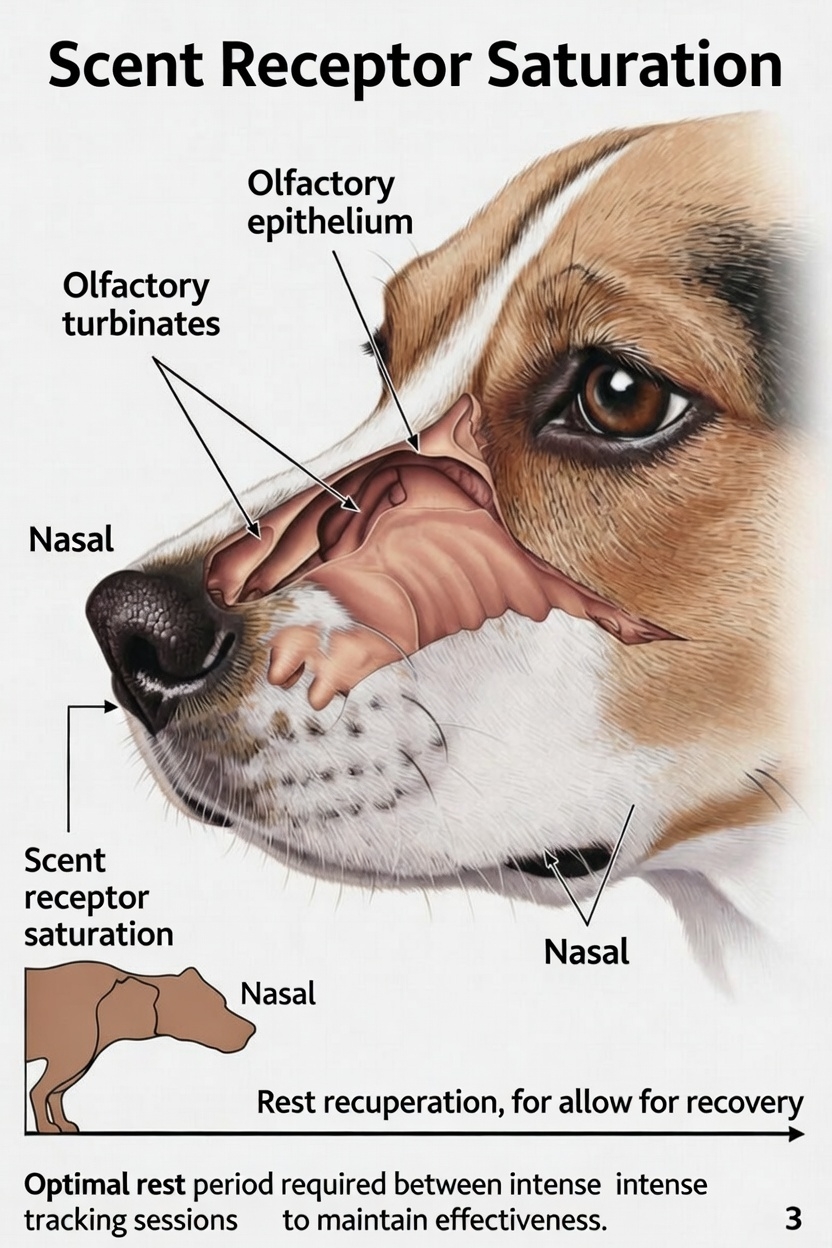 For a Beagle, the world is a tapestry of scents. Their extraordinary olfactory ability shapes their behavior, play, and even training needs. Understanding this instinct is key to managing your Beagle safely and keeping them mentally fulfilled.
Beagles possess hundreds of millions of scent receptors, making them exceptional trackers. Their long ears and droopy lips act as funnels, guiding scents toward their nose. This instinct explains sudden dashes toward interesting smells and makes scent games highly effective.
Practical Examples:
- Hide treats around the home for “find it” games.
- Take Beagles on nature walks where they can explore safely on a long lead.
- Use scent trails to practice recall, blending training with natural instincts.
Tips and Anecdotes:
- A Beagle puppy left alone without scent-based enrichment may become bored and vocal.
- Incorporating scent training into play helps reduce unwanted wandering and destructive behaviors.
6. Beagles as Family Pets
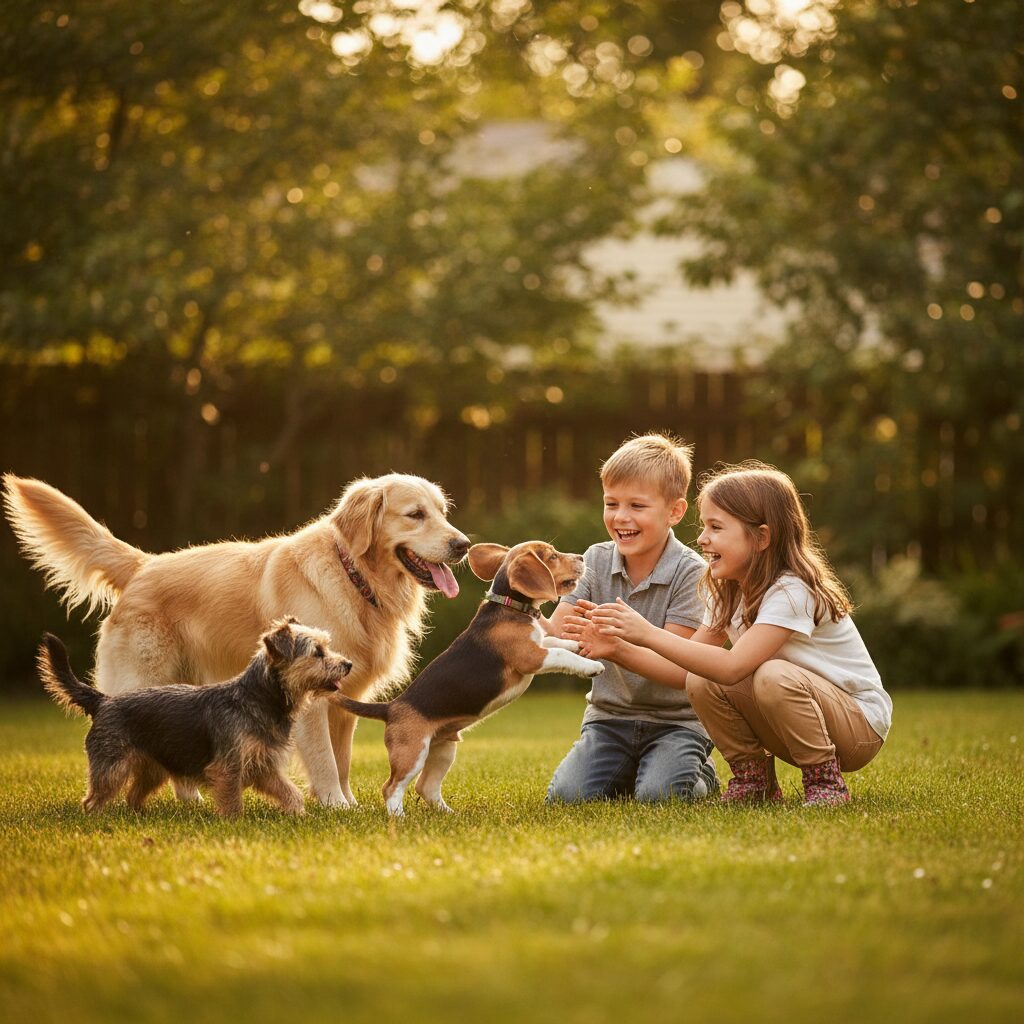
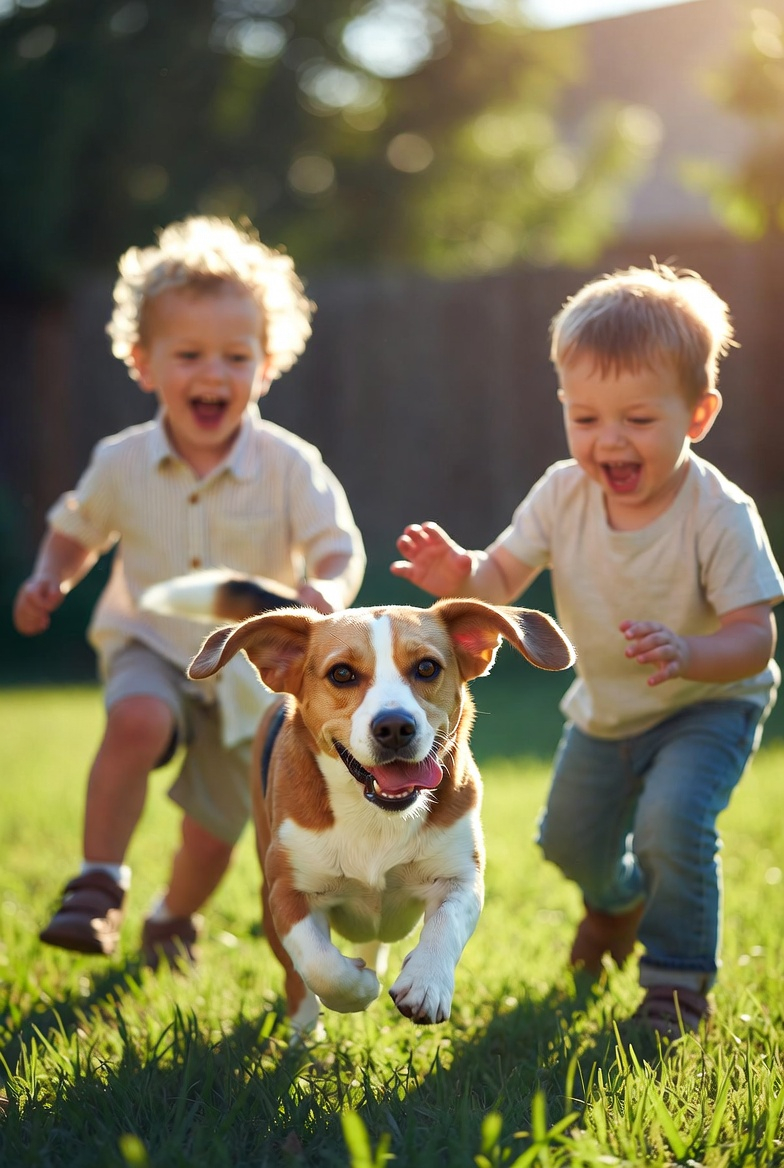 Beagles are naturally social dogs, making them excellent companions for families. Their playful energy, gentle nature, and affectionate demeanor allow them to bond deeply with children, adults, and even other pets. However, understanding their needs is essential to creating a safe, happy household.
Beagles thrive in environments where they feel included. They enjoy interactive play and often form strong attachments to their family members. While highly social, Beagles can also be vocal and curious, requiring supervision around small children or fragile household items.
Key Traits for Families:
- Patient and gentle with kids
- Social and cooperative with other dogs
- Energetic—needs daily structured activity
- Curious—may wander if not closely supervised
Example Anecdote:
One family reported that their Beagle puppy would hide toys around the house as “treasures,” reflecting their natural curiosity. Once the family incorporated scent-based scavenger hunts into daily playtime, the behavior became a positive and engaging activity.
Tips for Families:
- Supervise interactions between young children and puppies
- Rotate toys and provide daily scent or puzzle games
- Consider adopting two Beagles if you want constant companionship
- Use positive reinforcement to teach gentle behavior around children
7. Exercise and Activity Needs
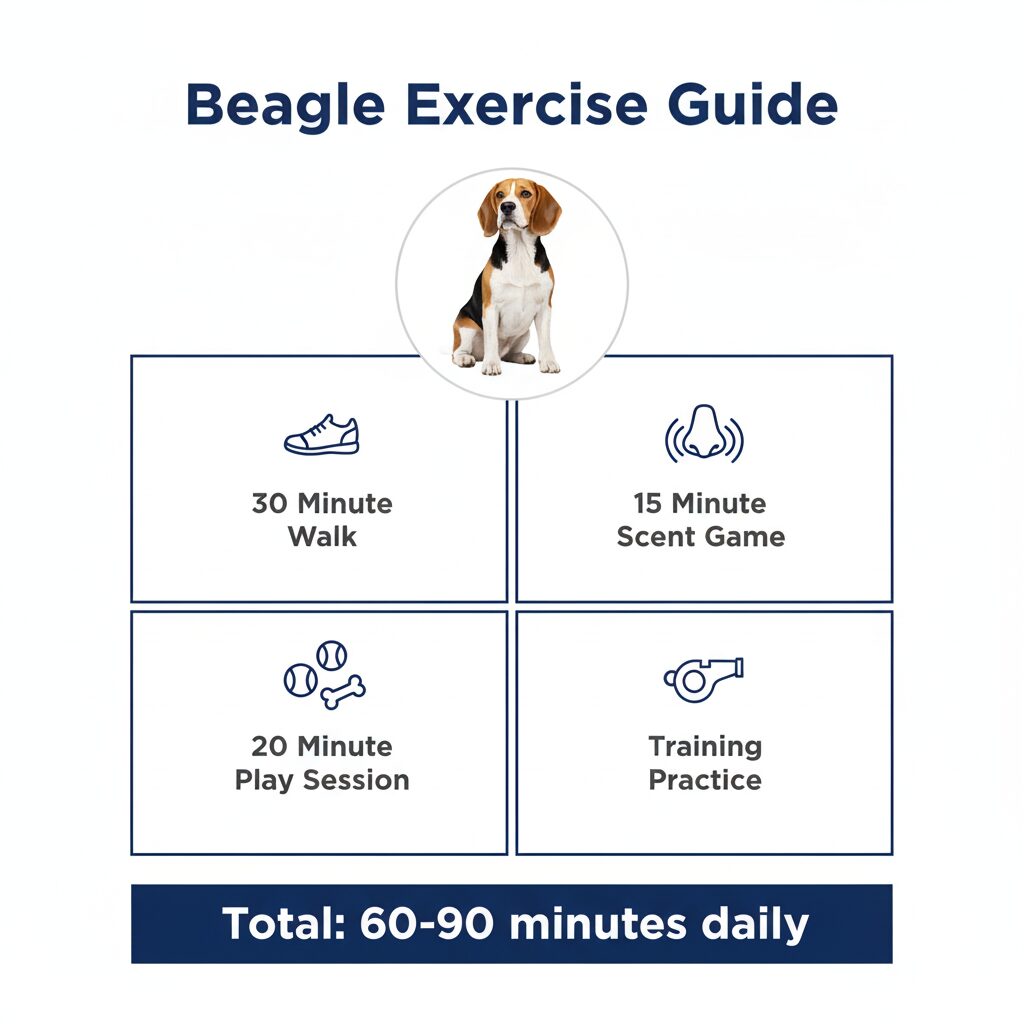
A Beagle’s energy is legendary, and daily exercise is critical to maintaining their health and happiness. Without proper stimulation, they may develop destructive behaviors, excessive barking, or weight issues. Physical activity combined with mental engagement is key to a well-balanced Beagle.
Beagles are scent-driven and energetic. Daily walks are not just exercise—they are opportunities for exploration. Mental stimulation, such as scent games or puzzle toys, is equally important.
Example Scenario:
A Beagle left in a backyard all day may dig holes, bark excessively, or escape fences in pursuit of scents. Scheduling two walks plus a 15–20 minute scent game prevents boredom and reduces destructive behavior.
Tips for Busy Owners:
- Rotate toys to maintain engagement
- Use puzzle feeders to combine mealtime with mental stimulation
- Consider a second Beagle for companionship
8. Training Your Beagle
 Beagles respond best to positive reinforcement, consistency, and short, engaging sessions. Early training sets the stage for lifelong obedience and social confidence.
Key Training Principles:
- Positive Reinforcement: Treats, praise, and affection work better than harsh corrections
- Consistency: Use the same commands and rules daily
- Short Sessions: 5–10 minutes per session is ideal for focus
- Early Start: Begin training immediately to establish routines
Common Training Challenges:
- Recall: Prey instincts may override commands—use long leads initially
- Food Obsession: Monitor treats to prevent overfeeding
- Separation Anxiety: Gradually teach independence through short absences
Example Exercise:
The “Find It” game hides treats around the house or yard, allowing Beagles to engage their natural scent-tracking instincts while reinforcing recall.
Tips for Owners:
- Make training a daily habit rather than a once-a-week event
- Use high-value treats for motivation during distractions
- Combine training with exercise to reinforce obedience and burn energy
9. Beagle Puppy Care Guide
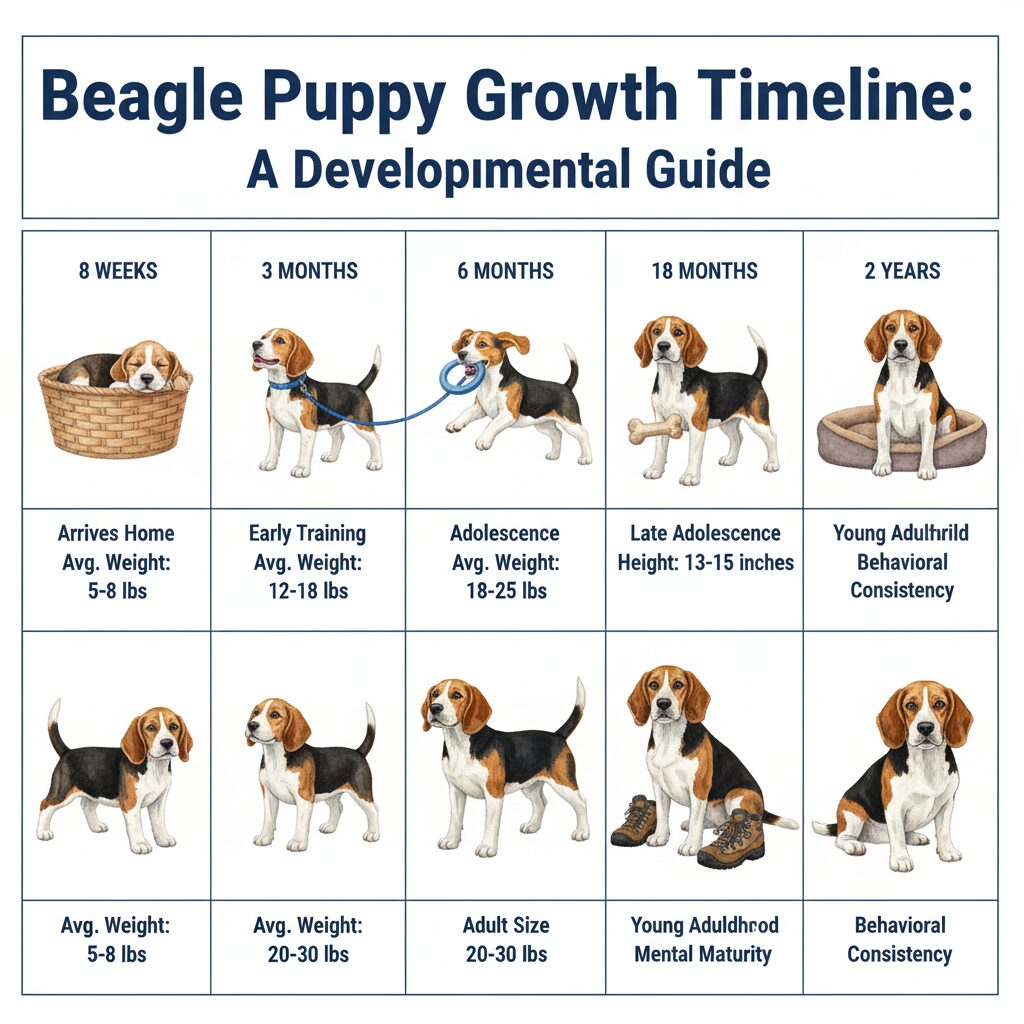
Welcoming a Beagle puppy is exciting but requires preparation and structure. Early care shapes their health, behavior, and socialization, ensuring a confident and well-adjusted adult dog.
Puppy care includes feeding, house training, socialization, and safe exploration. Beagles are intelligent but curious, making structured routines essential.
Home Preparation:
 Home Preparation:
- Puppy-proof the home: remove wires, choking hazards, and toxic plants
- Provide a dedicated sleeping space or crate for security and routine
- Stock safe chew toys to redirect natural chewing instincts
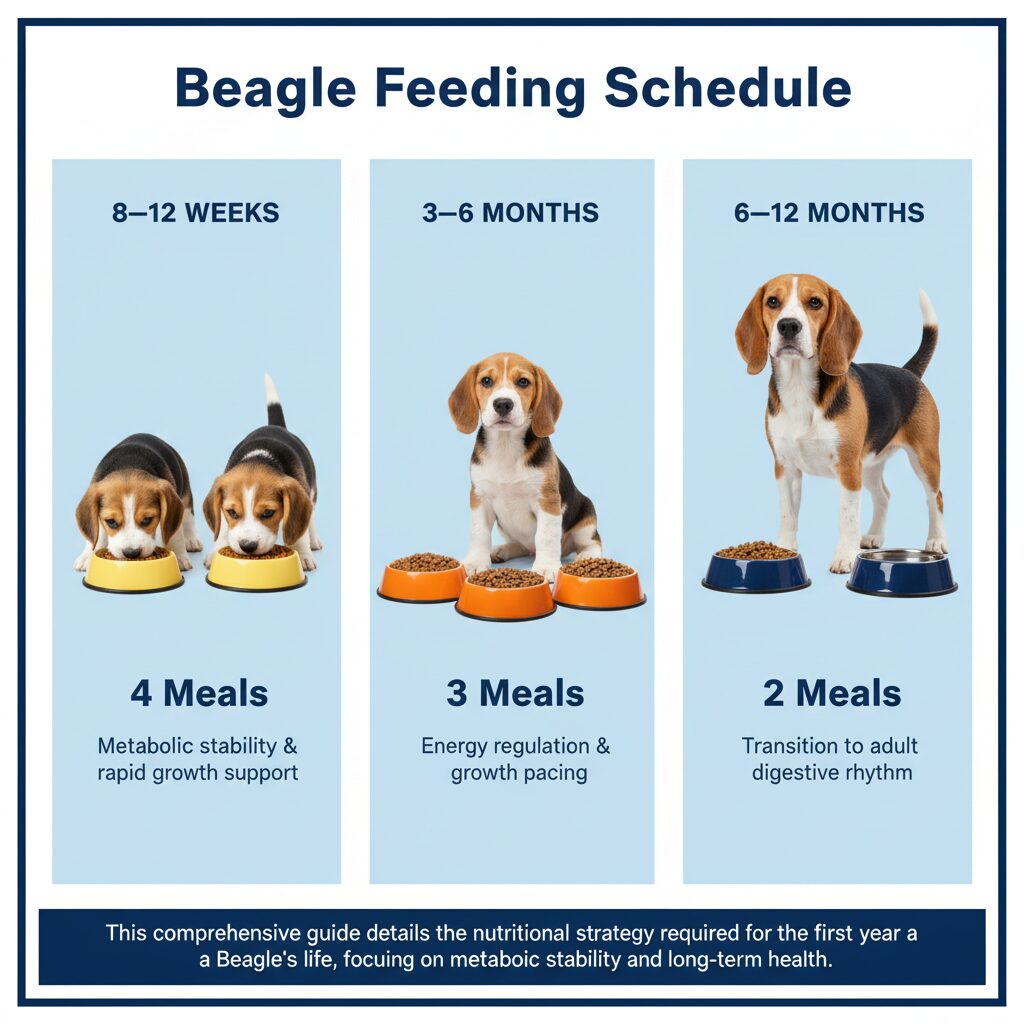
- Feeding Schedule (ZAR costs included):
Age Meals/day Example Food Cost per Month
- 8–12 weeks 4 ZAR 585–780
- 3–6 months 3 ZAR 780–975
- 6–12 months 2 ZAR 975–1,170
Socialization Tips:
- Expose puppies to children, adults, other pets, and environments
- Introduce gentle sounds and textures early
- Puppy classes enhance socialization and obedience
House Training:
- Take puppy outside after meals, play, or waking
- Reward immediately for successful elimination
- Accidents are part of learning—stay consistent
Example Anecdote:
A puppy that experienced structured exposure to a variety of people and settings adapted quickly to busy households and developed confidence around strangers.
10. Feeding and Nutrition
Nutrition is a cornerstone of a Beagle’s health. Known for their love of food, Beagles require portion control, balanced diets, and thoughtful feeding strategies to prevent obesity and maintain energy.
 High-quality kibble or wet food ensures balanced nutrition. Avoid table scraps, which can cause weight gain. Proper portioning supports healthy growth in puppies and weight maintenance in adults.
Feeding Guidelines:
- Portion Control - Measure meals; free feeding can lead to obesity
- Meal Frequency - Puppies 3–4 times/day, adults 2 times/day
- Healthy Treats - Carrots, small chicken pieces, or training treats
Tips and Examples:
- Rotate different types of puzzle feeders to stimulate the mind
- Track monthly weight to adjust portion sizes
- Integrate feeding with training for motivation and enrichment
Example Scenario:
A Beagle that was previously free-fed began gaining weight rapidly. Switching to scheduled meals, daily walks, and puzzle feeders helped the dog reach an ideal weight in two months.
11. Grooming and Maintenance
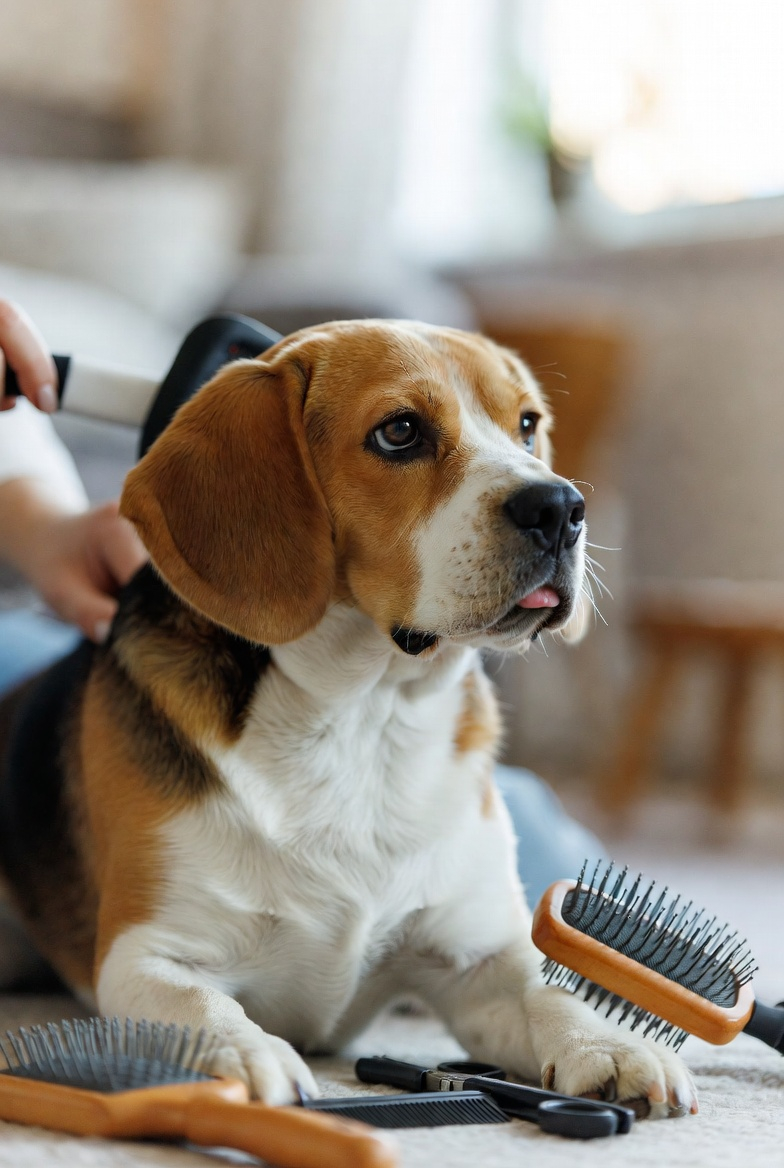 Their short coat hides dirt well, but weekly brushing, ear checks, nail trims, and dental care prevent problems and allow owners to bond with their dog.
Beagles shed moderately and enjoy human interaction, so grooming can be both functional and enjoyable. Proper grooming routines also help prevent infections, skin issues, and behavioral stress related to discomfort.
Grooming Essentials:
- Brushing - Once a week with a soft-bristle brush to remove loose hair and stimulate skin
- Bathing - Only as needed (once every 6–8 weeks or after muddy outdoor play)
- Ears: Clean weekly - their floppy ears trap moisture and debris
- Nails - Trim every 4–6 weeks to prevent overgrowth
- Teeth - Brush 2–3 times per week to reduce plaque and prevent gum disease
Tips & Anecdotes:
- Incorporate grooming into bonding time—reward your Beagle with treats during ear cleaning
- One owner discovered that weekly brushing reduced shedding dramatically, making indoor maintenance much easier
- Floppy ears may require additional attention during rainy seasons to prevent infections
12. Beagle Health and Lifespan
Beagles are generally healthy dogs, but like all breeds, they are prone to certain conditions. Understanding their common health issues, preventive measures, and life expectancy is crucial for ensuring your Beagle lives a long, happy, and active life.
Beagles have a lifespan of 10–15 years, though many live longer with proper care. Common health concerns include genetic conditions, ear infections, obesity, and dental disease. Preventive care and early detection are key to longevity.
Common Health Issues:
 Common Health Issues:
- Hip Dysplasia - Can cause pain and mobility issues; maintain healthy weight and moderate exercise
- Epilepsy - Manageable with medication under veterinary guidance
- Hypothyroidism - Requires regular blood tests and treatment
- Ear Infections - Weekly cleaning and drying after water exposure prevent recurring issues
- Obesity - Portion control, scheduled feeding, and daily exercise prevent weight gain
- Intervertebral Disc Disease - Avoid excessive jumping for older Beagles
Tips & Anecdotes:
- Owners who maintain regular vet visits, balanced diet, and daily activity report Beagles staying energetic into their teens
- Using puzzle feeders for meals combines mental stimulation with portion control, reducing obesity risk
13. Beagle Costs
Owning a Beagle comes with upfront and ongoing financial responsibilities. Planning for these costs ensures consistent care, preventing stress or neglect due to unexpected expenses. All values are converted to ZAR for South African owners.
Initial Purchase Costs:
Breeder - ZAR 15,600 – 39,000
Rescue/Adoption - ZAR 1,950 – 7,800
Monthly Expenses:
Food: ZAR 585 – 1,170
Insurance: ZAR 488 – 975
Toys, bedding, and supplies: ZAR 293 – 780
Annual Expenses:
Vet care: ZAR 5,850 – 9,750
Preventive care: Vaccinations, flea/tick treatments, dental check-ups included above
Tips & Anecdotes:
- Budgeting in advance reduces stress and ensures consistent quality care
- Investing in quality food and preventive care reduces long-term vet costs
- Owners who underestimated costs often switched to lower-quality food, leading to health complications
Internal Links: See Feeding and Nutrition for budgeting food, and Beagle Health and Lifespan for veterinary costs.
14. Pros and Cons of Beagles
Every breed has strengths and challenges, and Beagles are no exception. Understanding the pros and cons helps prospective owners assess compatibility with lifestyle, ensuring a happy relationship between dog and family.
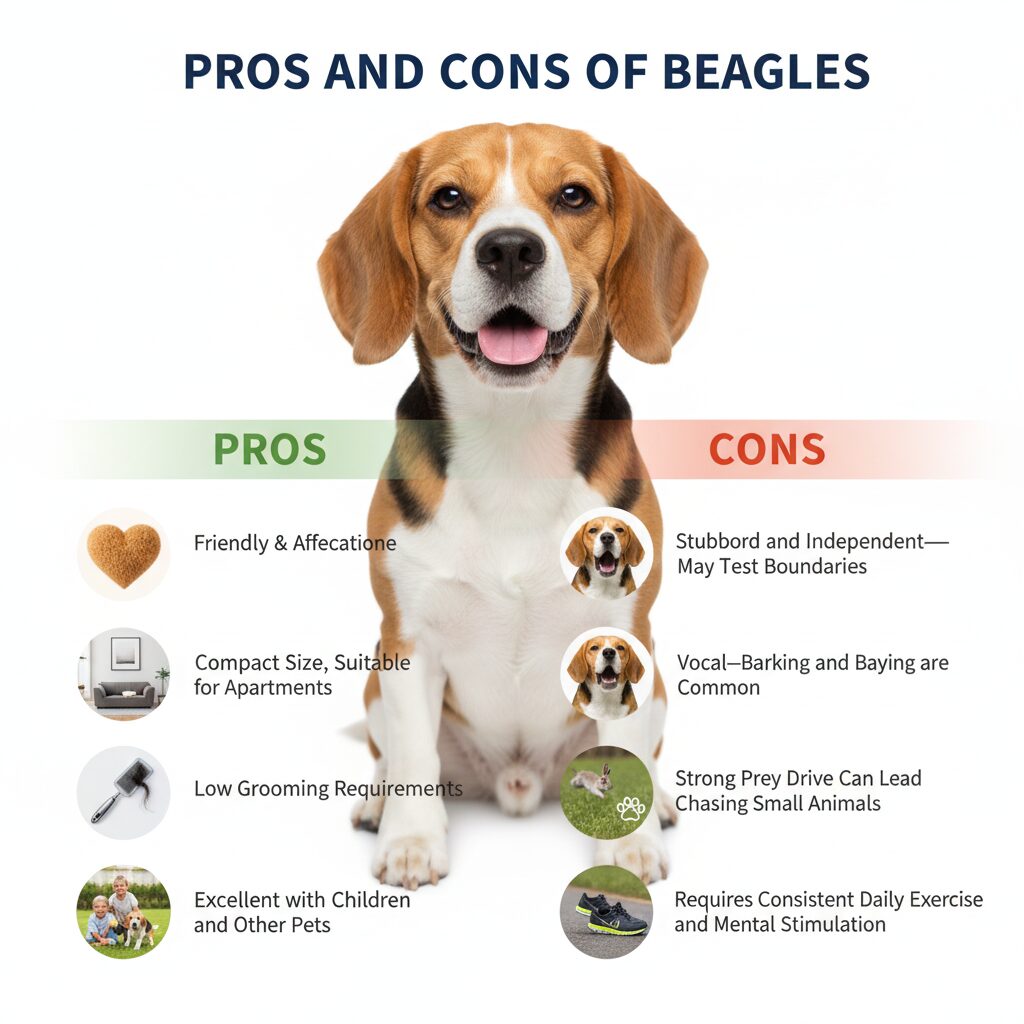
Example Scenario:
A family that wanted a low-maintenance apartment dog initially struggled with a Beagle’s energy and barking. By implementing daily walks, scent games, and structured training, the dog adapted well to apartment living while remaining happy and healthy.
Tips for Prospective Owners:
- Evaluate lifestyle before adoption
- Consider time commitment for exercise and mental stimulation
- Use training and enrichment to mitigate stubbornness and barking
15. Famous Beagles in Pop Culture
 Beagles have captured hearts in pop culture, from comics to movies, inspiring affection and admiration for the breed worldwide. Their expressive faces and playful personalities make them ideal stars and ambassadors for dog lovers everywhere.
Snoopy – arguably the most famous Beagle, beloved for his imagination and charm
Movies & TV: Marmaduke, commercials, and family films often feature Beagles, highlighting their lovable personality
Cultural Impact:
Beagle popularity surged thanks to media representation, increasing adoption and recognition of their temperament
Tips & Anecdotes:
- Seeing Beagles in media can inspire families to adopt, but remember that real-life care is essential
- Owners often emulate fun activities from media (like obstacle courses or scent games) to entertain their dogs
16. Beagle vs Other Breeds
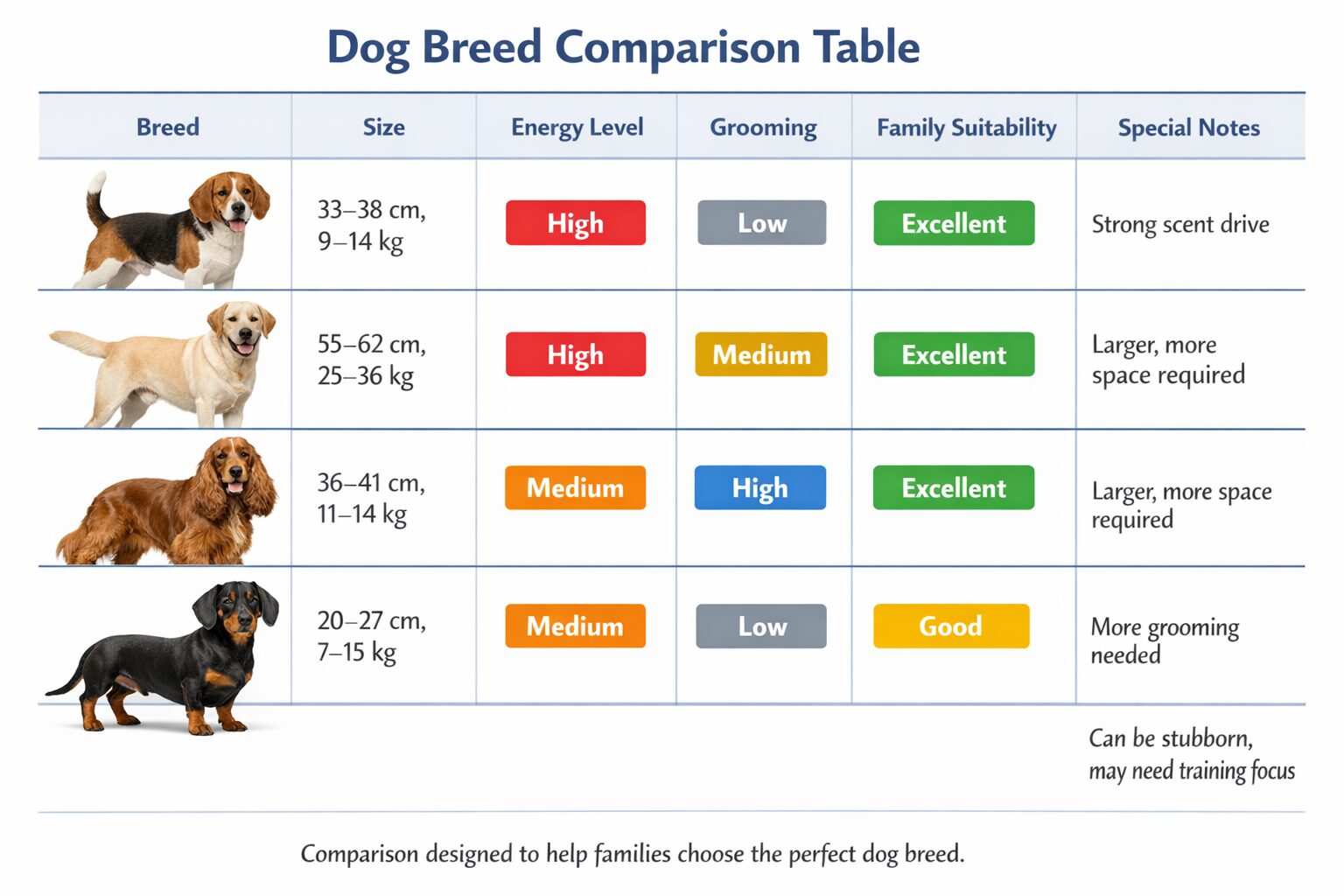
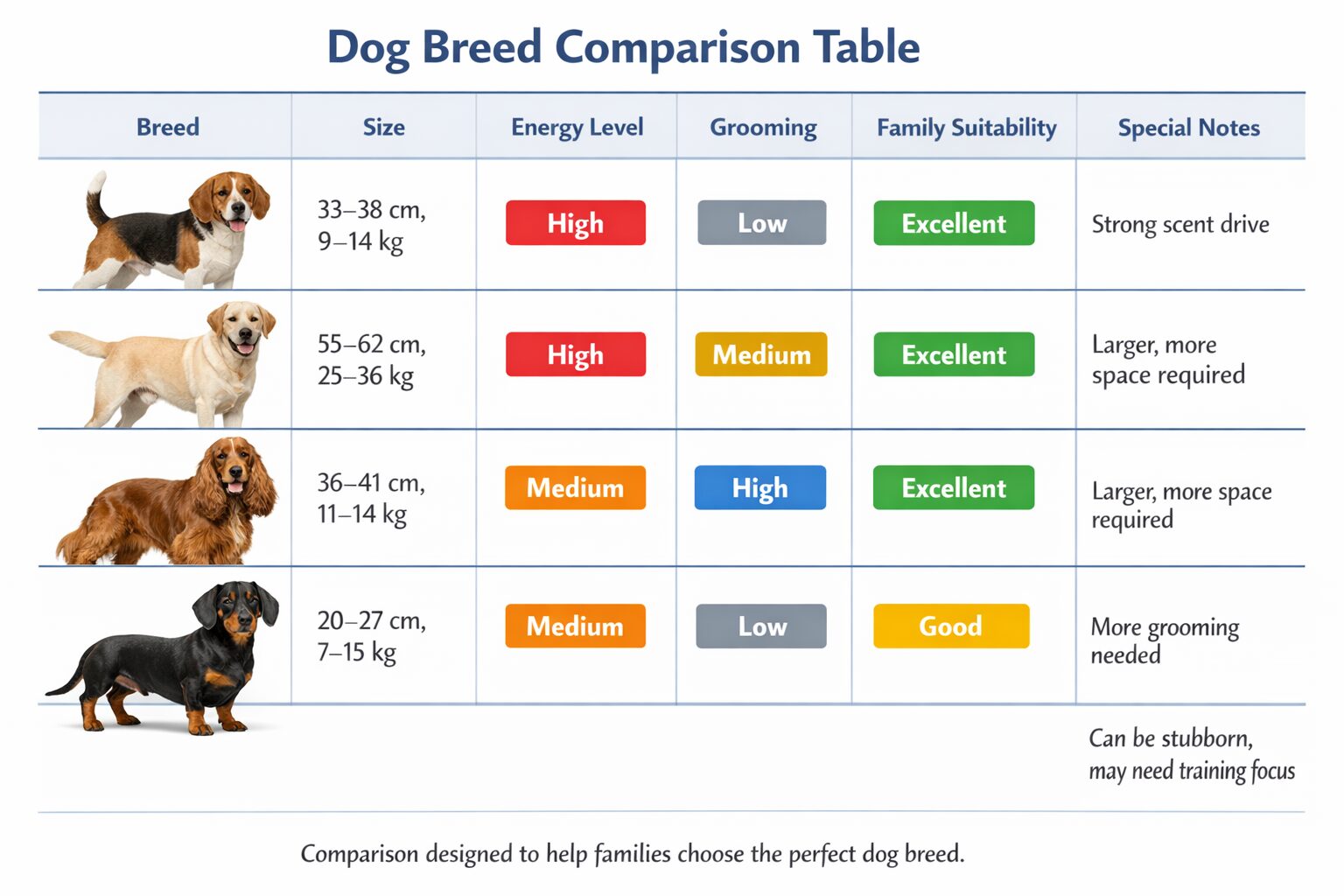
Comparing Beagles with other breeds helps prospective owners understand how their energy, size, temperament, and care needs differ. This ensures a Beagle is truly the right match for your household.
Beagles are small- to medium-sized hounds with a high prey drive and sociable nature. Here’s how they stack up against similar popular breeds:
Example Scenarios:
- A Beagle is ideal for an active family that can provide daily walks, scent games, and mental stimulation.
- A Cocker Spaniel requires more grooming commitment, which may be a challenge for busy households.
- A Labrador needs more space and exercise but may be easier to train than a Beagle.
Tips for Owners:
- Evaluate energy level against household lifestyle
- Match space and grooming commitment to your resources
- Consider scent-oriented activities for Beagles to prevent boredom
17. Adoption vs Breeder
 Deciding between adopting a Beagle from a rescue or purchasing from a breeder is an important choice. Both options have benefits and challenges, and understanding them ensures you bring home the dog best suited to your experience, lifestyle, and expectations.
Adoption from Rescue:
- Pros: Lower cost (ZAR 1,950–7,800), immediate companionship, often already socialized
- Cons: Unknown history, potential behavioral or health issues
Purchasing from Ethical Breeder:
- Pros: Predictable temperament, health-tested parents, clear lineage
- Cons: Higher cost (ZAR 15,600–39,000), waiting period for available puppies
Example Scenario:
One family adopted a 2-year-old Beagle from a local rescue. Though initially shy, consistent training, structured routines, and scent-based play helped the dog thrive. Another family purchased a puppy from a breeder, which required early socialization but provided predictable health and temperament.
Tips for Owners:
- Research breeders for health certifications (hip, eye, and genetic tests)
- Visit rescue centers to assess temperament before adoption
- Factor in both short-term and long-term costs (food, vet care, toys)
Internal Links: See Beagle Puppy Care Guide and Beagle Costs for financial and care planning.
18. Common Mistakes Beagle Owners Make
Even well-intentioned owners can make mistakes that lead to behavior or health issues in Beagles. Understanding these common pitfalls helps prevent frustration, keeps your dog healthy, and strengthens the human-dog bond.
Frequent Mistakes:
 Frequent Mistakes:
- Underestimating Exercise Needs: Beagles require daily walks, scent games, and mental stimulation
- Overfeeding / Free Feeding: Leads to obesity and health problems
- Inconsistent Training: Ignoring early habits allows stubborn behaviors to develop
- Neglecting Scent Instincts: Not providing mental stimulation can result in boredom and misbehavior
Tips & Anecdotes:
- A Beagle left alone without enrichment may start digging or vocalizing excessively. Providing scent games or puzzle feeders prevents boredom.
- Owners who free-fed discovered weight gain and switched to measured meals, reducing obesity within two months.
- Consistent recall training on walks prevents escapes, even when the dog is distracted by strong scents.
Internal Links: See Exercise and Activity Needs and Feeding and Nutrition for practical solutions to common mistakes.
19. Frequently Asked Questions (FAQ)
Prospective Beagle owners often have recurring questions about temperament, care, and lifestyle compatibility. Here’s a practical FAQ to help answer the most common concerns.
Expanded Content / FAQs:
- Are Beagles good with children?
Yes, they are gentle and playful but supervision is recommended for younger children. - How much exercise does a Beagle need?
60–90 minutes daily, combining walks, play, and scent activities. - Do Beagles bark a lot?
Yes, especially when bored or sensing prey. Training and enrichment help reduce excessive barking. - What is the best diet for a Beagle?
High-quality kibble or wet food, portion-controlled, with occasional healthy treats. Monthly food cost: ZAR 585–1,170. - Can Beagles live in apartments?
Yes, if their exercise and mental stimulation needs are met.
Tips for Owners:
- Maintain structured routines for walks, feeding, and training
- Use puzzle toys to reduce boredom indoors
- Introduce socialization gradually for young puppies
20. Final Thoughts – Your Journey with a Beagle
Owning a Beagle isn’t just about having a pet—it’s about welcoming a lively, intelligent, and affectionate companion into your life. These dogs thrive when they feel part of a family, enjoy mental stimulation, and have a purpose for their boundless energy. Looking forward, the relationship you build today shapes your Beagle’s happiness, longevity, and the joy they bring for years to come. Understanding their instincts, health, and emotional needs allows you to anticipate challenges, celebrate milestones, and create a life of adventure, learning, and love with your furry friend.
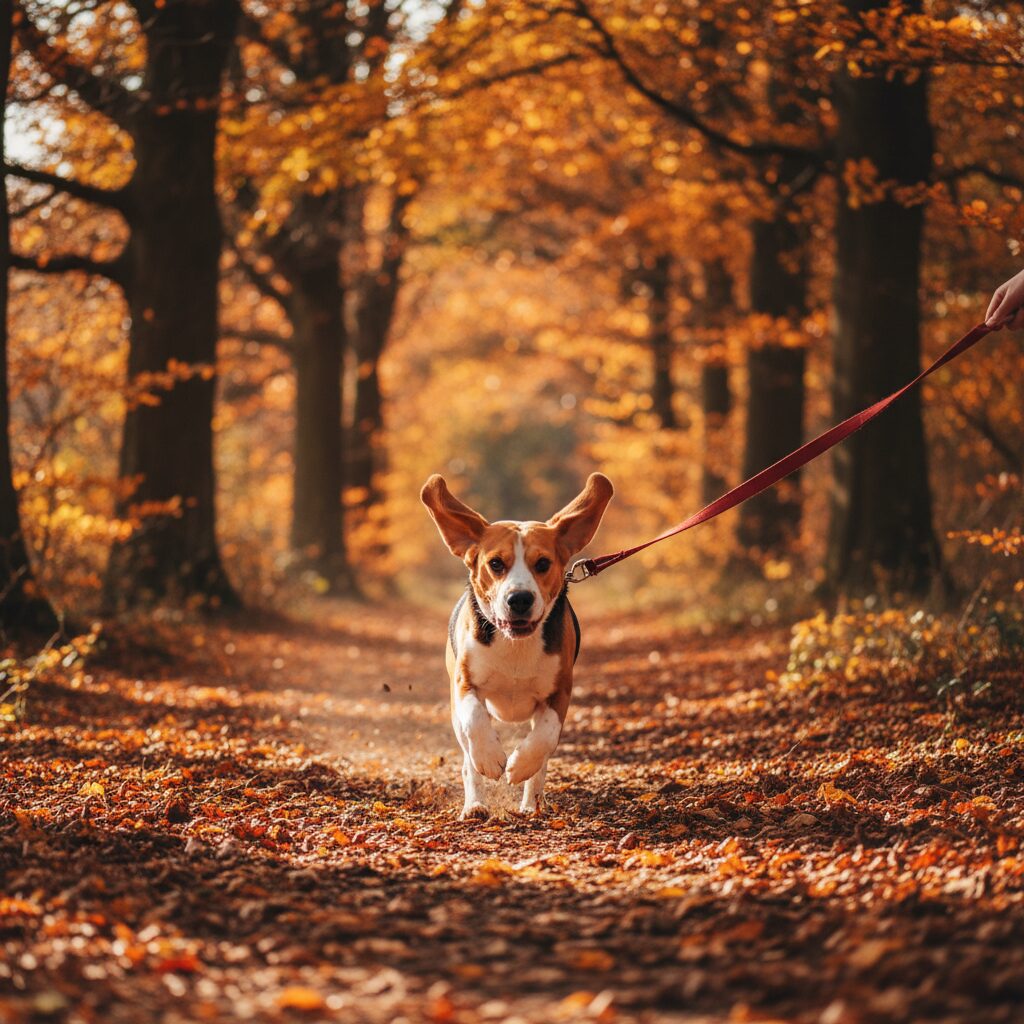
The Beagle Life Plan – Thinking Ahead:
To make your Beagle journey successful long-term, consider a future-focused care plan.
Sustainable Exercise Routines:
- Plan daily walks, hikes, and scent games for years, adjusting intensity as your dog ages.
- Example: Start with short walks for puppies, then gradually increase duration and complexity.
- Long-term benefit: Prevents obesity, supports joint health, and reduces behavioral issues.
Advanced Training & Mental Stimulation:
- Beyond basic obedience, introduce agility courses, puzzle feeders, and scent trails.
Anecdote:
A Beagle trained in scent games for 15 minutes daily showed fewer escape attempts and displayed remarkable problem-solving skills.
Future-focused tip:
- Consistent mental engagement keeps older Beagles sharp and less prone to anxiety.
Preventive Health Investment:
Schedule regular vet visits, vaccinations, dental cleanings, and health screenings.
Financial foresight:
Budget ZAR 5,850–9,750 annually for vet care, with supplements for emergencies.
Long-term benefit:
Early detection of hip dysplasia, thyroid issues, or ear infections extends lifespan and enhances quality of life.
Nutrition and Weight Management:
Maintain balanced diets and avoid overfeeding; use ZAR 585–1,170 per month for high-quality food and treats.
Tip: Rotate puzzle feeders and training treats to combine enrichment with nutrition.
Future focus:
Lifelong weight management reduces risk of diabetes, joint issues, and heart disease.
Social Integration & Family Life:
Include your Beagle in family routines, outings, and vacations.
Example: A family who scheduled weekly “adventure days” (hiking, scent hunts, park visits) reported a calmer, happier, and more obedient dog.
Future vision: A well-socialized Beagle is confident, playful, and a joy for every household member for over a decade.
A Vision for the Next 10+ Years:
- Beagles are not just companions—they are family members who respond to love, structure, and engagement. By anticipating their physical, emotional, and mental needs:
- Puppies grow into confident, obedient adults
- Adults remain active, healthy, and socially balanced
- Senior Beagles maintain comfort, mobility, and companionship
- Your investment of time, patience, and care today pays dividends in years of loyalty, playfulness, and unconditional love.
Inspiring Anecdote:
One Beagle owner documented her dog’s 12-year journey, from a curious puppy exploring every corner of the backyard to a wise, affectionate adult who still enjoyed scent games and family hikes. By planning exercise routines, mental enrichment, and health care early on, her Beagle stayed fit, happy, and integrated into family life throughout its senior years.
Actionable Takeaways:
- Plan Ahead: Create a long-term schedule for exercise, training, and vet care
- Engage Daily: Combine mental stimulation, play, and family bonding
- Monitor Health: Track weight, diet, and preventive care in ZAR budgeting
- Celebrate Milestones: Record puppy growth, training achievements, and social milestones
- Embrace Their Instincts: Use their natural curiosity, energy, and scent-tracking skills to enrich life for both dog and family
Conclusion
A Beagle is more than a pet; it’s a lifelong adventure. With foresight, structure, and affection, you can transform the natural energy and intelligence of a Beagle into a harmonious, joyful, and lasting partnership. By anticipating needs, planning for the future, and embracing their spirited personality, your Beagle will reward you with unwavering loyalty, endless curiosity, and a decade or more of unforgettable memories.
Pingback:Life Stages of the Beagle - Tamboeckey Beagles
Pingback:Beagle Growth & Maturity - Tamboeckey Beagles
Pingback:Beagle Socialisation Guide - Tamboeckey Beagles
Pingback:Beagle Separation Anxiety - Tamboeckey Beagles
Pingback:Olfactory Fatigue - Tamboeckey Beagles
Pingback:Beagle Puppies for Sale - Tamboeckey Beagles
Pingback:Puppy Growth Milestones - Pembroke Welsh Corgis % 1
Pingback:Beagle Puppy Socialisation Guide - Tamboeckey Beagles
Pingback:Basic Beagle Training Techniques - Tamboeckey Beagles
Pingback:Beagle Behavior Guide - Tamboeckey Beagles
Pingback:Beagle Feeding and Nutrition - Tamboeckey Beagles
Pingback:Beagle Health and Wellness Guide - Tamboeckey Beagles
Pingback:Socialising Your Beagle Puppy - Tamboeckey Beagles
Pingback:Beagles in Family Homes - Tamboeckey Beagles
Pingback:Beagle Nutrition Essentials - Tamboeckey Beagles