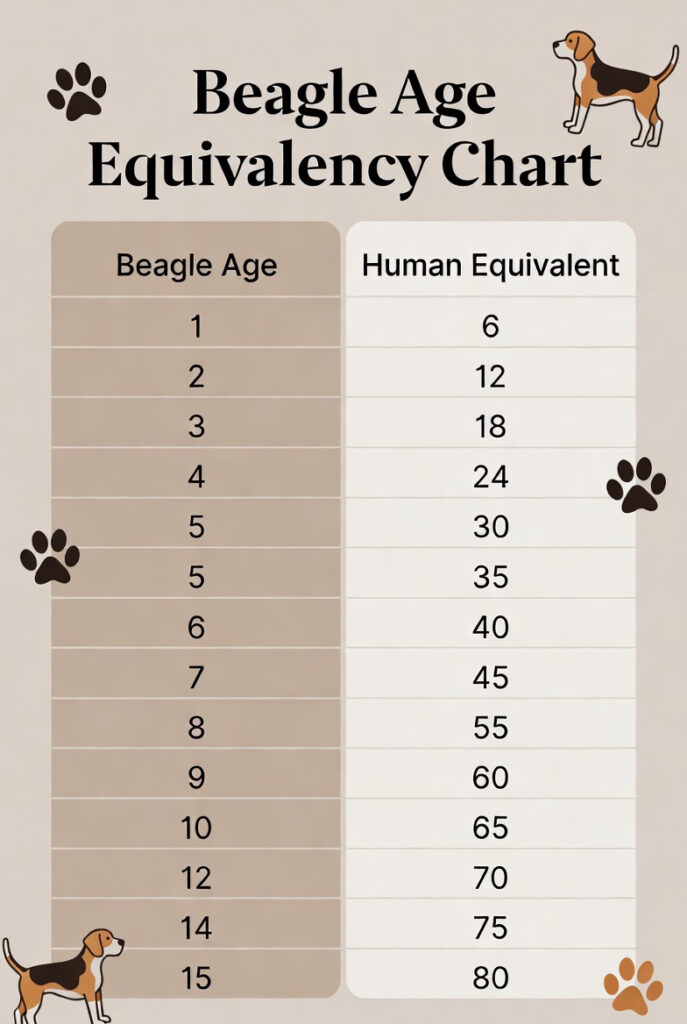
Life Stages of the Beagle
A Journey from Puppy to Senior
Life Stages of the Beagle, stands foremost in the beagle's journey through life is a remarkable transformation that spans 12 to 15 years on average, sometimes longer with excellent care. Each stage brings its own joys, challenges, and care requirements. Understanding what to expect as your beagle ages helps you provide the best possible care and strengthens the bond you share throughout their lifetime.

The Neonatal Period - Birth to Two Weeks
Beagle puppies enter the world completely dependent on their mother. During these first two weeks, they're born deaf, blind, and unable to regulate their own body temperature. Their entire world consists of eating, sleeping, and staying warm against their mother and littermates.
At this stage, puppies rely entirely on their mother's colostrum and milk for nutrition and antibodies. Their eyes and ear canals are sealed shut, and they navigate through touch and smell. You'll see them instinctively crawling toward warmth and food, though they can't yet walk. This is a critical period for development, and responsible breeders ensure the mother is healthy, well-fed, and minimally stressed.
The Transitional Period - Two to Four Weeks
Around day 10 to 14, a beagle puppy's eyes begin to open, revealing cloudy blue eyes that will gradually clear. Their ear canals open shortly after, and suddenly their world expands dramatically. They start to hear their littermates and respond to sounds in their environment.
During these weeks, puppies begin attempting their first wobbly steps and start interacting more with their siblings. You'll see the first signs of play behavior and tail wagging. Their baby teeth begin to emerge, and while they're still nursing, this marks the beginning of the weaning process. The mother may start to naturally spend more time away from the litter as the puppies become more mobile and their needle-sharp teeth make nursing less comfortable.
The Socialization Period - Four to Twelve Weeks
This is perhaps the most critical stage in a beagle's development. Between four and twelve weeks, puppies are incredibly receptive to new experiences, and what they encounter now shapes their adult temperament and behavior. This is when responsible breeders begin extensive socialization efforts, exposing puppies to different surfaces, sounds, people, and gentle handling.
At around four weeks, puppies are weaned onto solid food, though this transition happens gradually. Their personalities begin to emerge, and you'll notice some puppies are bolder while others are more cautious. They engage in increasingly complex play with their littermates, learning crucial lessons about bite inhibition and social interaction. The growling, chasing, and wrestling you see during this period teaches them how to communicate with other dogs.
Most beagles go to their new homes between eight and twelve weeks. This transition is significant—they leave everything familiar and must adapt to a new environment, new people, and a new routine. The first few days and weeks in a new home are crucial for building trust and continuing socialization. Puppy kindergarten classes, positive encounters with various people and animals, and exposure to different environments during this window help create a confident, well-adjusted adult beagle.
The Juvenile Period - Three to Six Months
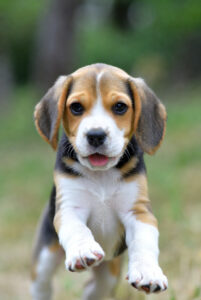
Your beagle is growing rapidly during this stage, and you'll see significant physical and behavioral changes. That roly-poly puppy starts to elongate, and their true build begins to emerge. Their adult teeth start coming in around 12 to 16 weeks, making this a prime chewing phase. Everything goes in their mouth as they explore their world and soothe their aching gums.
This is often called the "fear period," when puppies may suddenly become wary of things that didn't bother them before. A beagle who previously greeted strangers enthusiastically might become hesitant or fearful. This is a normal developmental stage, not a permanent personality change. Handle fears with patience, never forcing your puppy into situations that terrify them, but also not reinforcing fearful behavior with excessive coddling.
Training becomes increasingly important during this stage. Beagles are testing boundaries and learning what behaviors earn rewards. Their legendary stubbornness may start to show, particularly when their nose catches an interesting scent. Consistency in training and house rules is essential. This is also when you'll notice their voice developing—that distinctive beagle bay starts to emerge, often to your neighbors' dismay.
Adolescence - Six Months to Two Years
Welcome to the teenage years, where your previously well-behaved puppy may suddenly act like they've never heard the word "come" in their life. Beagle adolescence can be challenging. They have adult energy and strength but puppy-level impulse control and judgment.

Sexual maturity arrives during this period, typically between six and twelve months. Males may start marking territory and showing interest in females. Females usually experience their first heat cycle between six and twelve months, though this varies. This is the standard time to discuss spaying or neutering with your veterinarian, as these procedures can prevent unwanted behaviors and certain health issues.
Adolescent beagles are masters at selective hearing, especially when a scent trail beckons. They're testing what they can get away with and may regress in training. Stay patient and consistent. The dog you've been working with is still in there; their brain is just rewiring itself. Continue training, provide plenty of exercise, and maintain boundaries.
Their physical growth slows during this period, and by 18 months, most beagles are at or near their adult size and weight. Males typically weigh 22 to 25 pounds, while females are slightly smaller at 20 to 23 pounds, though individual variation exists.
Young Adulthood - Two to Four Years
Your beagle finally emerges from adolescence a more mature, settled dog. The wild, scattered energy of puppyhood and adolescence gives way to a still-energetic but more focused companion. Training that seemed impossible six months ago suddenly clicks, and your beagle becomes the dog you always knew they could be.
This is your beagle in their prime. They have stamina for long hikes, enthusiasm for training sessions, and enough maturity to be reliable companions. Their personality is fully formed, and you know their quirks, preferences, and habits intimately. Many owners say this is their favorite stage—past the destruction of puppyhood but before the concerns of senior years.
Young adult beagles still need plenty of exercise and mental stimulation. That nose never stops working, and a bored beagle finds their own entertainment, usually involving digging, howling, or raiding the kitchen counter. Regular walks, scent games, and puzzle toys keep them physically and mentally satisfied. This is also an excellent age for activities like rally obedience, scent work trials, or agility, if your beagle is interested.
Middle Age - Four to Eight Years
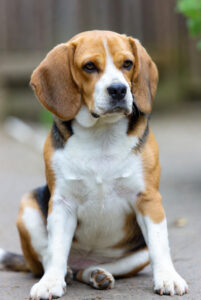
The middle years are often golden years for beagle owners. Your dog has left behind youthful chaos and isn't yet dealing with senior health issues. They know your routine, they're well-trained (mostly), and they're content to be your shadow around the house.
You may notice subtle changes as your beagle approaches the middle of this stage. They might sleep a bit more, take slightly longer to bounce back from vigorous exercise, or show the first hints of gray around their muzzle. These changes are gradual and normal.
Weight management becomes increasingly important during middle age. Beagles are prone to obesity, and their metabolism slows as they age. That puppy who could eat anything without gaining an ounce becomes an adult who gains weight just looking at food. Excess weight stresses joints and organs, so monitoring portions and maintaining exercise is crucial.
Continue regular veterinary checkups, typically annually during these years. Your vet will watch for breed-specific issues that may emerge, including hip dysplasia, hypothyroidism, and eye conditions. Dental care remains important, as periodontal disease can affect overall health.
The Golden Years - Eight Years and Beyond
The transition to senior status isn't marked by a specific birthday but happens gradually. Some beagles show few signs of aging at eight, while others slow down earlier. You'll notice your beagle needs more rest between activities and may be less enthusiastic about long hikes. They might take longer to get up in the morning or show stiffness, especially in cold weather.
Their senses may diminish. Hearing often declines first, which can be tricky to notice in a breed known for selective hearing. You might think your beagle is being stubborn when actually they simply can't hear you calling. Their vision may also decrease, particularly in low light. They navigate familiar spaces well through memory and their still-strong sense of smell.
Older beagles need modified exercise routines. Instead of one long hike, they may prefer several shorter walks. They still need activity to maintain muscle mass and mental sharpness, but respect their limitations. Swimming can be excellent for senior beagles, providing exercise without stressing aging joints.
Dietary needs change in the senior years. Your beagle may need fewer calories to prevent weight gain but require higher-quality protein to maintain muscle mass. Some seniors develop sensitivities to foods they previously tolerated. Work with your veterinarian to adjust their diet appropriately.
Health monitoring becomes more intensive. Biannual veterinary visits are standard for seniors, allowing earlier detection of issues. Bloodwork can catch kidney disease, liver problems, or hormonal imbalances before they become serious. Watch for changes in appetite, water consumption, bathroom habits, mobility, or behavior, as these can signal health problems.
Cognitive decline can affect older beagles. You might notice confusion, disorientation, changes in sleep patterns, or alterations in how they interact with family members. While some cognitive decline is normal, veterinary care can help manage symptoms and maintain quality of life.
The Geriatric Stage - Eleven Years and Beyond

Beagles who reach this stage are true seniors, and each additional year is a gift. Some remain remarkably spry even in their teens, while others need significant support. Your once-independent beagle may become more clingy, seeking reassurance and comfort from you more frequently.
Physical limitations become more pronounced. Arthritis is common, and you may need ramps or steps to help your beagle access furniture or cars. Orthopedic beds provide support for aching joints. Some beagles develop incontinence, requiring patience and possibly medication or protective bedding.
Their world becomes smaller. Long walks might be replaced by gentle strolls around the block. They may lose interest in activities they once loved, preferring to snooze in a sunny spot instead. This isn't laziness but a natural response to their body's changing needs.
Despite physical limitations, your bond often deepens during these years. Your geriatric beagle has been your companion through significant life events, and the love and trust between you is profound. Continue engaging their mind with gentle games, maintain whatever routine they're comfortable with, and provide the extra care they need.
Making the Most of Every Stage
 Each stage of your beagle's life offers unique rewards and challenges. The tiny puppy who kept you awake all night becomes the adolescent who tested your patience, then the reliable adult who accompanied you on adventures, and finally the gentle senior who provides quiet companionship.
The key to navigating these stages successfully is remaining flexible and responsive to your beagle's changing needs. What worked at three years old may not work at ten. The puppy food that supported growth isn't appropriate for a senior. The marathon hikes of young adulthood give way to leisurely neighborhood strolls.
Throughout all stages, regular veterinary care, proper nutrition, adequate exercise, mental stimulation, and above all, your love and attention help your beagle thrive. These scent hounds with their soulful eyes and melodious voices give us years of devotion, laughter, and companionship.
The journey from tiny, helpless puppy to dignified senior is bittersweet. Time passes too quickly, and we wish we could keep them forever in their vibrant prime. But watching your beagle move through life's stages, adapting your care to meet their needs at each point, and being there for them as they were always there for you—that's the privilege and responsibility of sharing your life with these remarkable dogs. Every stage, from the first wobbly steps to the last gentle years, is precious.
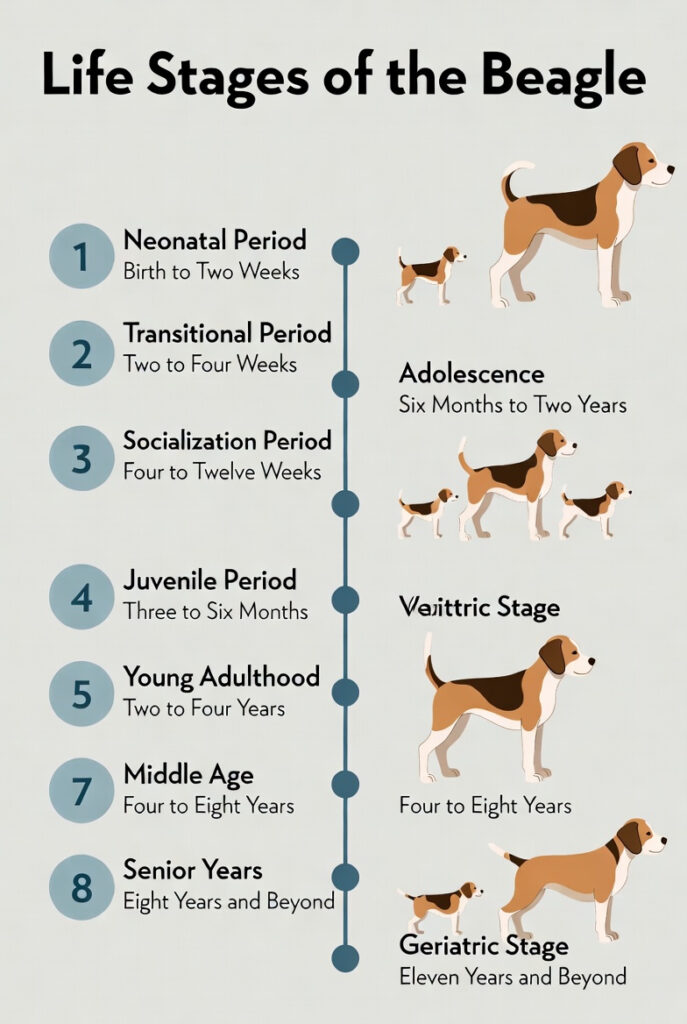
Beagle Age Equivalency Chart
Your Beagle will not age 7 human years for each year of his or her life. Studies now show that this breed ages much differently. The age chart is primarily based on the size and weight of the dog and then growth/age spurts are calculated in.