
Feeding Your Beagle
The Complete Guide to a Happy, Healthy Hound
A comprehensive resource for Beagle owners at every stage
 If you own a Beagle, you already know the look. Those big, pleading eyes. The quivering nose. The dramatic slump to the floor when dinner is ten minutes late. Beagles are many wonderful things — loyal, curious, endlessly entertaining — but subtle about food they are not.
This isn't just a personality quirk. Beagles were bred as scent hounds, spending long days tracking prey across fields. Hardwired to eat whenever food was available, their instincts haven't changed much since their days in the hunting pack. The problem is that most modern Beagles live in comfortable homes rather than working the countryside, which means those same instincts — combined with a slower daily energy burn — make obesity a very real and very common risk.
Getting your Beagle's diet right is one of the most important things you can do for their long-term health. A well-fed Beagle is energetic, bright-eyed, and lives a longer, fuller life. A Beagle fed without structure risks joint problems, diabetes, heart disease, and a shortened lifespan. The good news? With the right knowledge and a consistent routine, feeding your Beagle well is entirely manageable.
This guide covers everything you need to know: nutritional requirements, life-stage feeding, portion sizes, food types, dangerous foods to avoid, and practical strategies for managing your Beagle's famously enthusiastic appetite.
Section 1: Understanding the Beagle’s Unique Nutritional Needs
A Breed Built to Eat
The Beagle's history as a working scent hound has left a lasting imprint on their biology. Bred over centuries to hunt in packs — often for hours at a stretch — Beagles developed metabolisms tuned for feast-or-famine cycles. When food was available, they ate. When it wasn't, they kept going anyway.
Today's domestic Beagle still carries this powerful food drive. While Beagles don't share the specific POMC gene deletion (a 14-base-pair variant) that's well-documented in breeds like Labrador Retrievers and Flat-Coated Retrievers — where it disrupts satiety signals in the brain, reduces resting metabolic rate, and increases appetite in a notable percentage of those dogs — they do exhibit a strong biological predisposition to overeating and obesity. This stems from their history as scent hounds bred for feast-or-famine conditions during long hunts, combined with polygenic factors (multiple genes working together) that make many Beagles neurologically less prone to feeling fully satisfied after meals. In simple terms, for many Beagles, the urge to eat persists even past the point of physical fullness — not due to greed, but rooted in their breed's evolutionary biology and genetics. This makes structured feeding and portion control especially crucial to prevent the common issues of weight gain, joint strain, and related health problems.
Core Nutritional Requirements
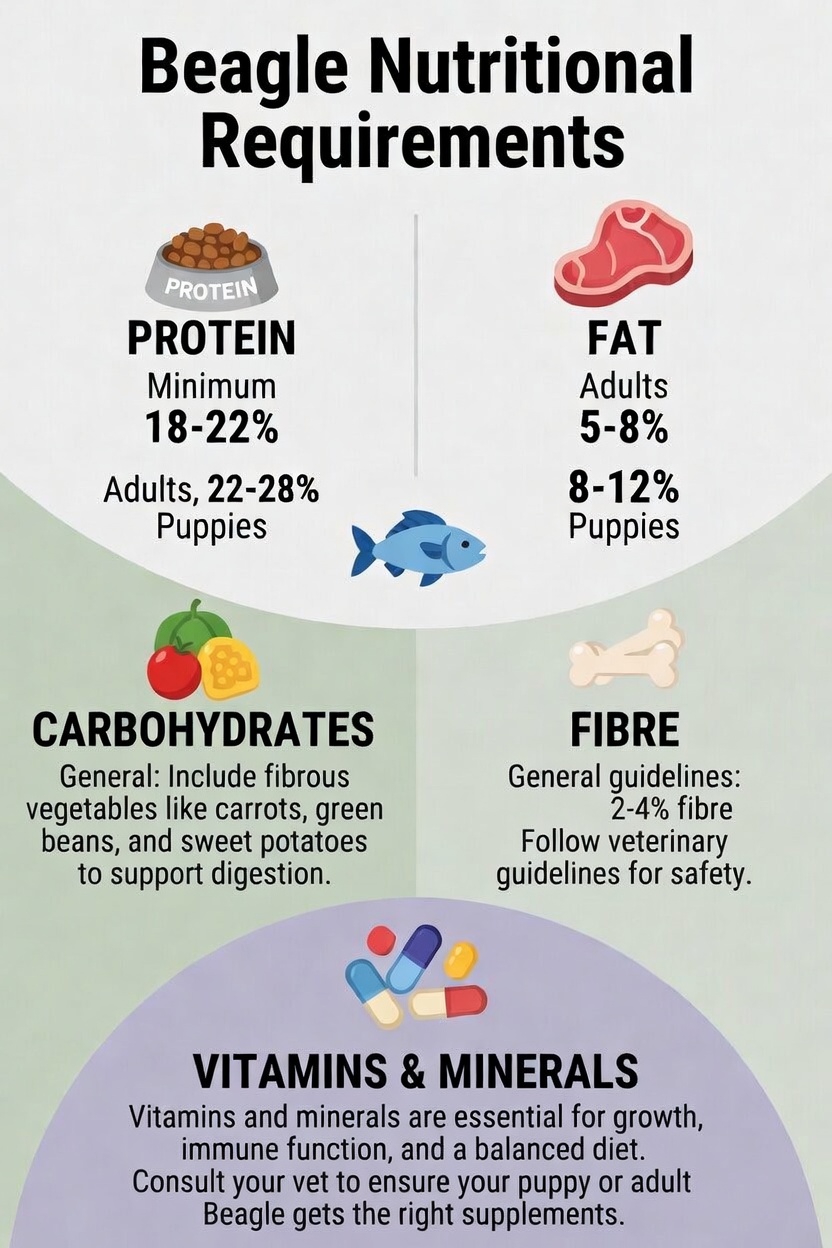 A balanced Beagle diet should include the following key nutrients:
• Protein (min. 18–22% for adults, 22–28% for puppies): The cornerstone of muscle maintenance and growth. Quality sources include chicken, turkey, beef, lamb, and fish. Always look for a named meat as the first ingredient on any commercial food label.
• Fat (min. 5–8% for adults, 8–12% for puppies): Essential for energy, coat health, and fat-soluble vitamin absorption. Omega-3 and Omega-6 fatty acids from fish oil or flaxseed support skin, coat, and joint health.
• Carbohydrates: Not strictly essential, but a practical energy source in commercial diets. Opt for complex carbohydrates like sweet potato, brown rice, and oats over refined grains and fillers like corn syrup.
• Fibre: Supports gut health and can help Beagles feel fuller for longer. Look for ingredients like pumpkin, chicory root, or beet pulp.
• Vitamins and Minerals: Calcium and phosphorus for bone health, Vitamin A and E for immunity and skin, B vitamins for energy metabolism. A complete and balanced commercial food should meet all these requirements.
🐾 Breed Tip: Because Beagles are prone to obesity, always prioritise foods with high protein content and moderate fat, rather than high-carbohydrate, filler-heavy kibbles. The first ingredient on the label should always be a named animal protein.
Section 2: Feeding Your Beagle Through Life Stages
Puppies (0–12 Months)
The first year of a Beagle's life is a period of rapid, dramatic growth. A newborn pup that weighs less than 500g will reach close to their adult weight within nine to twelve months. This growth demands significantly more calories, protein, and calcium than an adult Beagle requires — but overfeeding during this window carries its own risks, particularly for bone development.
Key guidelines for puppy feeding:
• Feed a food specifically formulated for puppies or 'all life stages.' Adult formulas may lack the protein and caloric density a growing pup needs.
• Meal frequency matters more at this stage than for adults: 0–3 months: four meals per day. 3–6 months: three meals per day. 6–12 months: transition to two meals per day.
• Avoid free-feeding (leaving food out constantly). Scheduled mealtimes establish routine and help you monitor appetite changes that may signal illness.
• Do not supplement with extra calcium unless directed by a vet. Excess calcium in growing puppies can cause skeletal abnormalities.
• Expect rapid weight gain. A healthy Beagle puppy typically gains 150–200g per week in their first few months.
Adults (1–7 Years)
The adult Beagle years are where weight management becomes the primary nutritional focus. By 12–14 months, most Beagles have reached their adult size and their caloric needs reduce accordingly. Yet this is often the stage where overfeeding creeps in — treats, table scraps, and generously measured portions all quietly add up.
The goal for an adult Beagle is simple: maintain a healthy body condition score (more on this in Section 7) through consistent, measured feeding. Most adult Beagles do well on two meals per day — morning and evening — which helps stabilise blood sugar, reduces the risk of gastric problems, and fits naturally into a household routine.
Adult Beagles typically require between 674 and 922 kcal per day, depending on their size, activity level, and whether they are spayed or neutered (neutered dogs generally need around 20–30% fewer calories).
Seniors (7+ Years)
As Beagles move into their senior years, their metabolism slows, activity levels often decrease, and the risk of age-related conditions — arthritis, kidney disease, dental disease, and cognitive decline — increases. Diet plays a significant role in managing all of these.
Adjustments to consider for senior Beagles:
• Switch to a senior-formulated food, which typically has lower calories, higher fibre, and added joint-supporting nutrients like glucosamine and chondroitin.
• Increase Omega-3 fatty acids (fish oil is ideal) to support joint mobility and reduce inflammation.
• Monitor protein intake carefully. Senior dogs need adequate protein to maintain muscle mass, but those with kidney issues may require reduced phosphorus — always check with your vet.
• Offer smaller, more frequent meals if your senior Beagle shows reduced appetite or digestive sensitivity.
• Dental health becomes increasingly important. If your dog has dental disease, wet or softened food may be more comfortable.
⚠️ Important: Life stage transitions should be gradual. When switching foods, mix the new food with the old over 7–10 days, increasing the new food ratio slowly. A sudden change can cause digestive upset, diarrhoea, and a refusal to eat.
Section 3: How Much Should You Feed a Beagle?
Portion Sizing by Weight and Age
There is no single universal answer — portion sizes depend on your dog's weight, age, activity level, reproductive status, and the specific food you are feeding. That said, the following provides a useful starting framework for dry kibble:
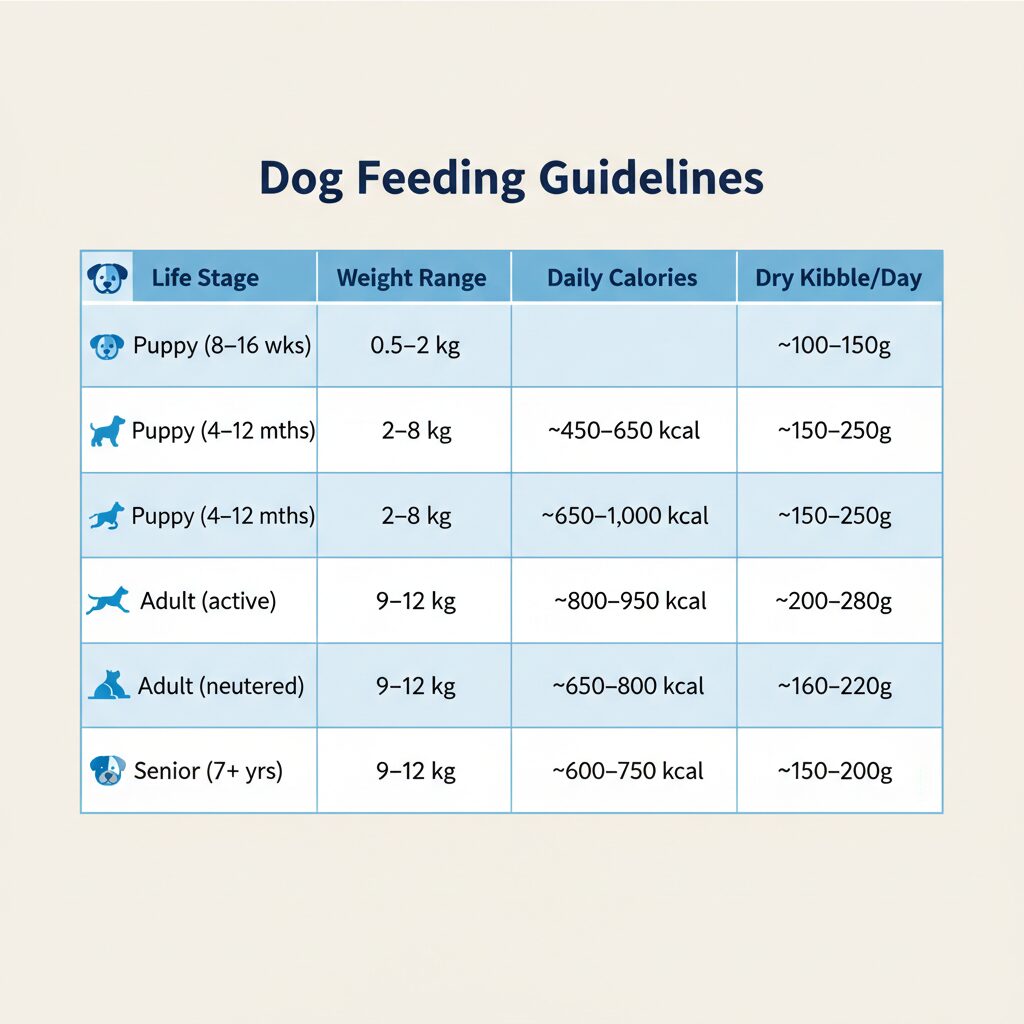
Important Disclaimer: These calorie and portion estimates are general guidelines only, based on typical Beagle sizes, moderate activity levels, and average commercial kibble densities. Actual needs vary widely depending on your individual dog's metabolism, exact weight, spay/neuter status, daily exercise, health conditions, age-specific factors, and the precise caloric content of the food you're using. Always start with the feeding guidelines printed on your chosen food's packaging (as a more accurate baseline for that formula), monitor your Beagle's Body Condition Score (BCS) closely, weigh them monthly, and consult your veterinarian to fine-tune portions for optimal health. Adjust as needed to maintain an ideal BCS of 4–5/9.
Reading Dog Food Labels
Understanding what is actually in your Beagle's food is one of the most empowering things you can do as an owner. Key things to look for:
• Ingredients are listed by weight before processing. A named protein (e.g. 'chicken,' 'salmon') should always appear first.
• Avoid foods where the first ingredient is a grain, or where vague terms like 'meat and animal derivatives' appear without specifics.
• Look for the AAFCO (or FEDIAF in Europe) statement confirming the food is 'complete and balanced' for your dog's life stage.
• 'Crude protein' on the guaranteed analysis panel tells you the minimum protein content, but doesn't reflect digestibility — quality ingredients digest more efficiently than cheap fillers.
The Dangers of Free-Feeding
Free-feeding — leaving food available at all times — is genuinely problematic for Beagles. Unlike some breeds that self-regulate, Beagles will typically eat until the bowl is empty, regardless of whether they need the calories. Free-feeding also removes your ability to monitor appetite changes, which are often among the first signs of illness.
📋 Rule of Thumb: Weigh your Beagle monthly and adjust portions accordingly. Even a 10% weight gain can meaningfully increase the risk of joint problems and metabolic disease. A kitchen scale is the most reliable way to measure food — measuring cups are notoriously inaccurate.
Section 4: Best Food Types for Beagles
 Dry Kibble
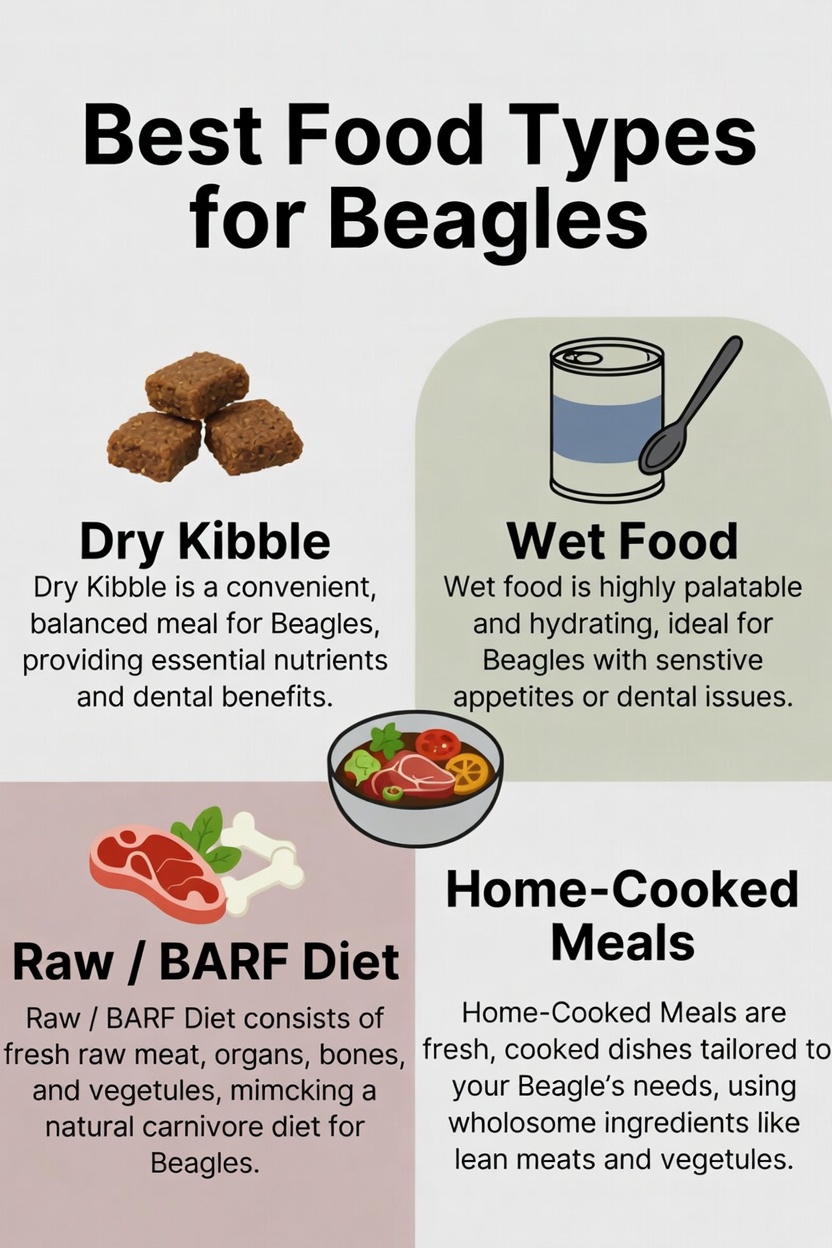 Dry Kibble
Dry kibble remains the most popular choice for Beagle owners — and for good reason. It is convenient, nutritionally consistent, cost-effective, and the crunchy texture provides some dental benefit by reducing tartar build-up.
When choosing a kibble, look for: a named protein as the first ingredient, no artificial preservatives (BHA, BHT, ethoxyquin), and an AAFCO complete and balanced statement for your dog's life stage. Premium kibbles may cost more per bag but often have higher caloric density, meaning you feed less — which can make them more economical than they first appear.
The main drawback of dry kibble is the heavy reliance on carbohydrates and plant proteins in lower-quality options. Always read the label.
Wet Food
Wet food has a much higher moisture content (typically 70–80%), which makes it excellent for hydration and particularly beneficial for Beagles with urinary tract concerns or those that don't drink enough water. Many Beagles also find wet food more palatable, making it useful for fussy eaters or convalescing dogs.
The downsides are cost (wet food is generally more expensive per calorie) and dental health — without the mechanical action of crunching kibble, plaque and tartar build up more quickly. A combination approach — kibble as the staple with wet food as a topper or occasional meal — works well for many owners.
Raw / BARF Diet
The Biologically Appropriate Raw Food (BARF) diet has grown in popularity over recent years, with proponents arguing it most closely resembles a dog's ancestral diet. A balanced raw diet typically includes raw meat, raw meaty bones, organ meat, and a small amount of vegetables and fruit.
The evidence on raw feeding is mixed. Some studies suggest benefits for coat quality and digestibility; others raise concerns about bacterial contamination (Salmonella, E. coli, Listeria) that can affect both dogs and their human families. If you choose to feed raw, it is essential to source from a reputable supplier, handle food hygienically, and ideally work with a veterinary nutritionist to ensure the diet is fully balanced — nutritional deficiencies are a genuine risk with homemade raw diets.
Home-Cooked Meals
Cooking for your Beagle can be a rewarding way to ensure ingredient quality and avoid additives, but it comes with significant responsibility. A home-cooked diet that isn't carefully formulated will almost inevitably be nutritionally incomplete over time — whether lacking in calcium, essential fatty acids, or key vitamins.
If you want to feed home-cooked, work with a board-certified veterinary nutritionist who can formulate a complete recipe tailored to your dog. A general 'chicken and rice' mix is fine for a day or two during a stomach upset, but is not suitable as a long-term diet.
💡 Best Approach: For most Beagle owners, a high-quality commercial dry kibble supplemented with occasional wet food toppers, fresh vegetables, and quality treats strikes the best balance of nutrition, convenience, and palatability.
Section 5: Foods to Avoid
Toxic Foods — Never Feed These
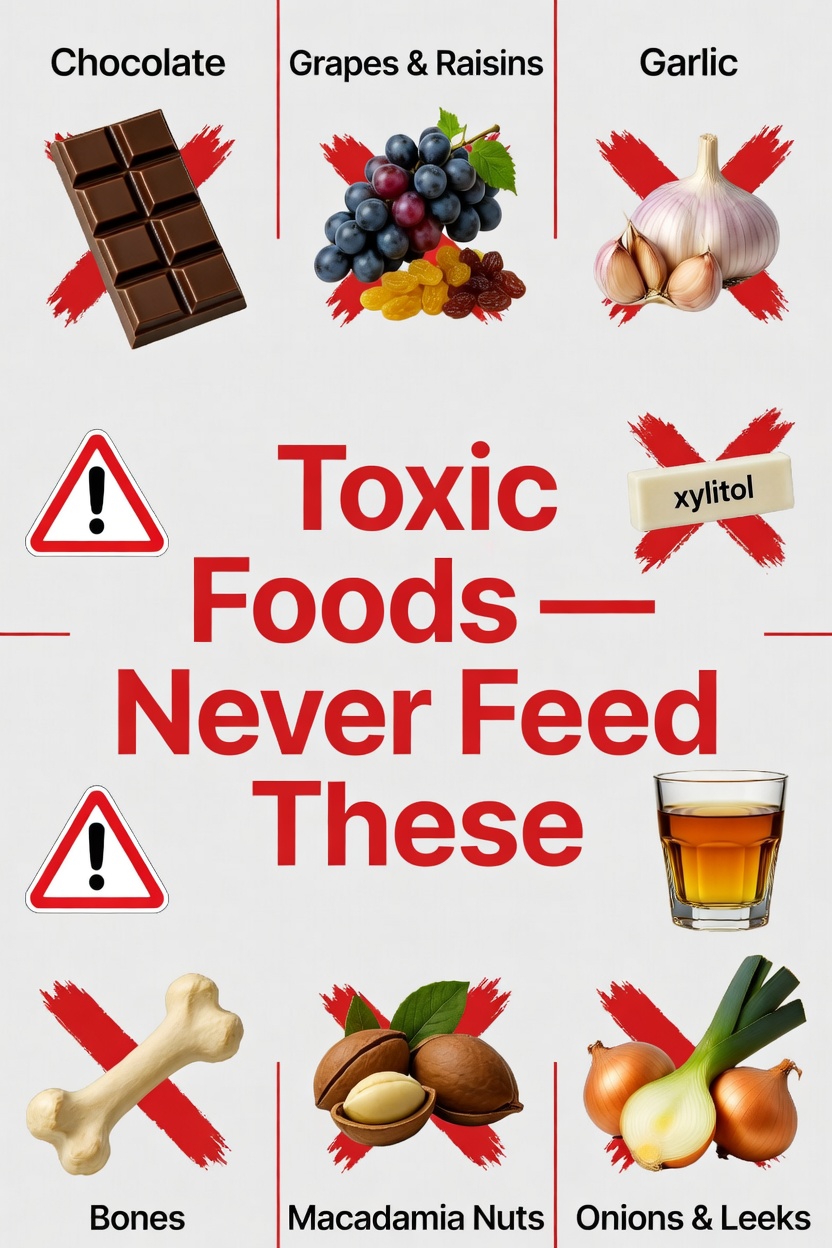
Some human foods are genuinely dangerous for dogs. The following should never be given to a Beagle under any circumstances:
- Chocolate - Contains theobromine and caffeine, both toxic to dogs. Dark chocolate and baking chocolate are the most dangerous; even small amounts can cause vomiting, seizures, and cardiac arrest.
- Grapes and Raisins - Even small quantities can cause acute kidney failure in dogs. The mechanism is not fully understood, but the risk is severe and well-documented.
- Onions, Garlic, Leeks and Chives - All members of the Allium family damage red blood cells, leading to anaemia. Cooked forms can be even more concentrated and dangerous.
- Xylitol - An artificial sweetener found in sugar-free gum, some peanut butters, baked goods, and oral care products. Causes a rapid insulin release leading to hypoglycaemia, and can cause liver failure.
- Macadamia Nuts - Cause weakness, vomiting, tremors, and hyperthermia.
- Alcohol - Even small amounts can cause serious toxicity in dogs.
- Cooked Bones - Cooked bones splinter and can cause internal perforations. Always offer raw bones appropriate for your dog's size, and only under supervision.
- Caffeine - Found in coffee, tea, energy drinks, and some medications. Toxic to the nervous and cardiovascular system.
Foods That Quietly Cause Weight Gain
Beyond outright toxins, some foods are perfectly safe in small amounts but become a problem when given regularly to a breed as prone to obesity as the Beagle:
- Cheese - High in fat and calories. Fine as a high-value training reward in tiny amounts, but not as a regular snack.
- Peanut butter - Many Beagles are obsessed with it, and it's useful for enrichment toys — but check for xylitol and measure carefully.
- Bread and pasta - Nutritionally empty carbohydrates that contribute to weight gain without offering meaningful nutrition.
- Processed meats (ham, sausage, salami) - High in salt and fat, and often contain preservatives that aren't suitable for dogs.
🚨 Emergency Note: If your Beagle eats something potentially toxic, contact your vet or an emergency animal poison line immediately. Do not wait for symptoms to appear — with toxins like xylitol and grapes, early treatment is critical.
Section 6: Dealing With a Beagle’s Food Obsession
Managing Begging Behaviour
Beagle owners often describe mealtimes as a test of will. The breed's expressive face, soulful eyes, and persistent vocalisation are extraordinarily effective at extracting food from even the most disciplined humans. The key principle is simple, if sometimes difficult to stick to: never reward begging with food.
Every time a Beagle receives food in response to begging — even once — the behaviour is reinforced. Consistency across all family members is essential. If one person gives in while others don't, the begging will persist and intensify. Feed your dog before family meals, give them a chew or stuffed toy during your own mealtimes, and never feed from the table.
Slow Feeders and Enrichment
For Beagles that bolt their food, slow feeder bowls and puzzle feeders are excellent investments. Eating too quickly causes bloating, vomiting, and can contribute to the more serious condition of gastric dilatation-volvulus (GDV), though this is more common in deep-chested breeds.
Slow feeders also provide mental stimulation — and a Beagle that has worked for their meal is a more satisfied Beagle. Licki mats, stuffed Kongs, snuffle mats, and scatter feeding in the garden (letting them use their nose to find their kibble) are all brilliant ways to turn mealtimes into enrichment opportunities.
Healthy Treat Alternatives
Treats should make up no more than 10% of your Beagle's total daily caloric intake. When you use a lot of treats for training — which is both effective and recommended for this breed — remember to reduce the portion size of their main meals accordingly.
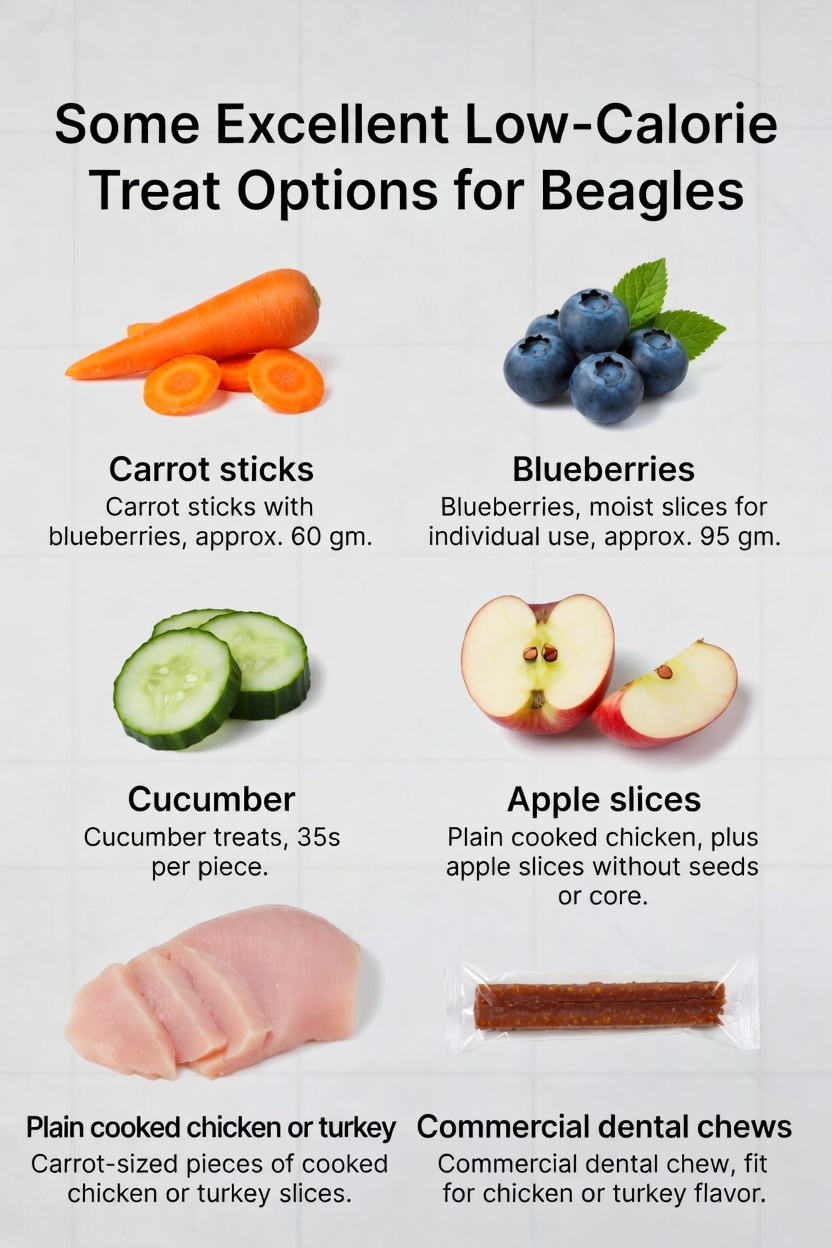 Some excellent low-calorie treat options for Beagles:
• Carrot sticks: Crunchy, sweet, very low calorie, and great for teeth.
• Blueberries: Rich in antioxidants and small enough to use as training rewards.
• Cucumber: Almost no calories, high moisture content.
• Apple slices (no seeds or core): Natural sweetness that most Beagles love.
• Plain cooked chicken or turkey: High-value reward for training without the fat of commercial treats.
• Commercial dental chews: Useful for dental health, but check calorie content and factor into daily totals.
Section 7: Recognising Weight Problems Early
The Body Condition Score
The Body Condition Score (BCS) is a simple, practical tool for assessing whether your Beagle is at a healthy weight. It uses a scale of 1 to 9, where 1 is severely underweight and 9 is severely obese. The ideal score for a Beagle is 4–5.
How to assess your Beagle's BCS at home:
- Ribs - You should be able to feel your dog's ribs easily with light pressure, but not see them prominently. If you have to press hard to feel them, your dog is overweight. If they are clearly visible, they are underweight.
- Waist - Viewed from above, your Beagle should have a visible waist — a slight inward tuck behind the ribcage. A dog that looks like a sausage from above is overweight.
- Belly tuck - Viewed from the side, the abdomen should tuck upward behind the chest. A completely flat or rounded belly is a warning sign.
Signs of Overfeeding vs. Underfeeding
Signs your Beagle may be overweight: difficulty feeling ribs, no visible waist, reduced energy or reluctance to exercise, heavier breathing after moderate activity, and a rounded belly.
Signs your Beagle may be underweight: clearly visible ribs, spine or hip bones, loss of muscle mass, dull coat, low energy, and visible lethargy. Underfeeding is far less common in Beagles than overfeeding, but can occur with illness, dental pain, or in rescue dogs with a history of neglect.
When to Consult Your Vet
Weight changes of more than 5–10% within a month warrant a vet visit, as do any sudden changes in appetite — whether eating significantly more or less than usual. Conditions like hypothyroidism, Cushing's disease, and diabetes can all affect weight and appetite in Beagles, and are most effectively managed when caught early.
Your vet can also perform a professional body condition score assessment, recommend a specific caloric target, and refer you to a veterinary nutritionist if your Beagle has complex needs. If your Beagle shows unusually persistent or intense appetite issues despite careful feeding management, discuss this with your veterinarian—they can rule out medical causes (such as hormonal imbalances) and, if relevant, advise on genetic testing for factors influencing food motivation and weight regulation. Regular wellness exams are key to catching subtle changes early.
📅 Good Habit: Weigh your Beagle at home once a month and record it. A simple chart tracking weight over time is one of the most useful health monitoring tools you can maintain.
Conclusion
Feeding a Beagle well is not complicated, but it does require consistency, awareness, and a willingness to resist those legendary pleading eyes. The fundamentals are straightforward: feed a high-quality, protein-rich diet appropriate for your dog's life stage; measure portions carefully; establish a regular meal schedule; avoid toxic foods; and keep a close eye on body condition.
The payoff is significant. A Beagle at a healthy weight is more mobile, more energetic, and more playful. They are less prone to the joint problems and metabolic diseases that affect overweight dogs. They recover better from illness and surgery. They live longer. And — perhaps most importantly to those of us who share our lives with them — they are happier.
Your Beagle trusts you to make good choices on their behalf. With the knowledge in this guide, you are well equipped to do exactly that. Now go and measure that breakfast portion — and try not to let the eyes get to you.
🛠️ Tools on This Site: Make mealtime effortless with our smart Feeding Calculator for perfectly portioned Beagle meals, and explore delicious, healthy recipes in our cookbook, Beagle Bites and Bowls, to keep your pup happy, healthy, and thriving.
Important Disclaimer: These calorie and portion estimates are general guidelines only, based on typical Beagle sizes, moderate activity levels, and average commercial kibble densities. Actual needs vary widely depending on your individual dog's metabolism, exact weight, spay/neuter status, daily exercise, health conditions, age-specific factors, and the precise caloric content of the food you're using. Always start with the feeding guidelines printed on your chosen food's packaging (as a more accurate baseline for that formula), monitor your Beagle's Body Condition Score (BCS) closely, weigh them monthly, and consult your veterinarian to fine-tune portions for optimal health. Adjust as needed to maintain an ideal BCS of 4–5/9.
Pingback:Are Corgis Good for First-Time Owners - TANYDD - Corgi Crew