
Beagle Health and Wellness Guide
Beagles are one of the most cheerful, curious, and resilient dog breeds on the planet — but that easy-going exterior can mislead even attentive owners into underestimating the breed's specific health requirements. They are not high-maintenance dogs, but they do have well-documented vulnerabilities that are much easier to prevent than to treat once established.
For owners focused on Beagle feeding and nutrition and the fundamentals of care, the good news is that the most impactful things you can do for your Beagle's health are also the most straightforward: consistent routine vet visits, a structured vaccination programme, and an honest eye on body weight. The challenge is knowing exactly what to do, when to do it, and what breed-specific conditions to watch for.
This Beagle health and wellness guide gives you a practical, confidence-building framework covering the full arc of your dog's health — from puppyhood through to the senior years. Every section is written to make the complexity manageable, so you can walk into every vet visit prepared, informed, and fully in your Beagle's corner.
 Quick Answer
 Quick Answer
What are the most important beagle health checks for owners to prioritise?
The most important beagle health checks include a complete vaccination programme, regular ear examinations to prevent chronic infections, annual wellness visits covering weight, dental health, and parasite prevention, heartworm testing and prevention, and routine screenings for the breed's hereditary concerns including hypothyroidism, epilepsy, and hip dysplasia. Early detection is the single most effective preventative measure available.
Beagle Health
Understanding the Breed's Specific Wellness Profile
Beagles are a scent hound breed with a working ancestry that gave them exceptional endurance, a robust constitution, and an appetite that has — in the domestic context — become one of their primary health liabilities. Understanding the breed's wellness profile means understanding both its strengths and its vulnerabilities honestly.
The Beagle's median lifespan is 12–15 years, and many Beagles live healthy, active lives well into their teens with appropriate care. The conditions most commonly documented in the breed include:
- Ear infections — driven by the breed's long, floppy ears that restrict airflow and create a warm, humid environment ideal for bacterial and yeast growth.
- Obesity — the Beagle's food motivation is not a personality quirk; it is a genetically driven survival mechanism that, in a domestic setting with unrestricted food access, consistently leads to significant weight gain.
- Hypothyroidism — reduced thyroid function is more common in Beagles than in many other breeds and typically presents between four and ten years of age.
- Epilepsy — idiopathic epilepsy with a hereditary component is documented in the breed; onset typically occurs between six months and five years of age.
- Hip dysplasia — less prevalent than in larger breeds, but present in the Beagle population and worth monitoring in dogs showing gait abnormalities.
- Intervertebral Disc Disease (IVDD) — the Beagle's athletic build and tendency toward high-energy activity makes spinal health relevant, particularly as the dog ages.
- Cherry eye — prolapse of the third eyelid gland, seen in younger Beagles and requiring veterinary management.
This wellness profile is not a list of inevitable outcomes — it is a checklist of what to watch for and what to prevent. Owners who know what to look for are the owners whose dogs get early intervention when it matters most.
Vaccinations
Your Beagle's First Line of Defence
A structured vaccination programme is the simplest and most cost-effective preventive care investment a Beagle owner can make. Core vaccinations protect against diseases that remain genuinely dangerous and for which no other medical intervention is as effective. Deviating from the schedule — particularly in the puppy's first developmental stage — creates real and unnecessary risk.
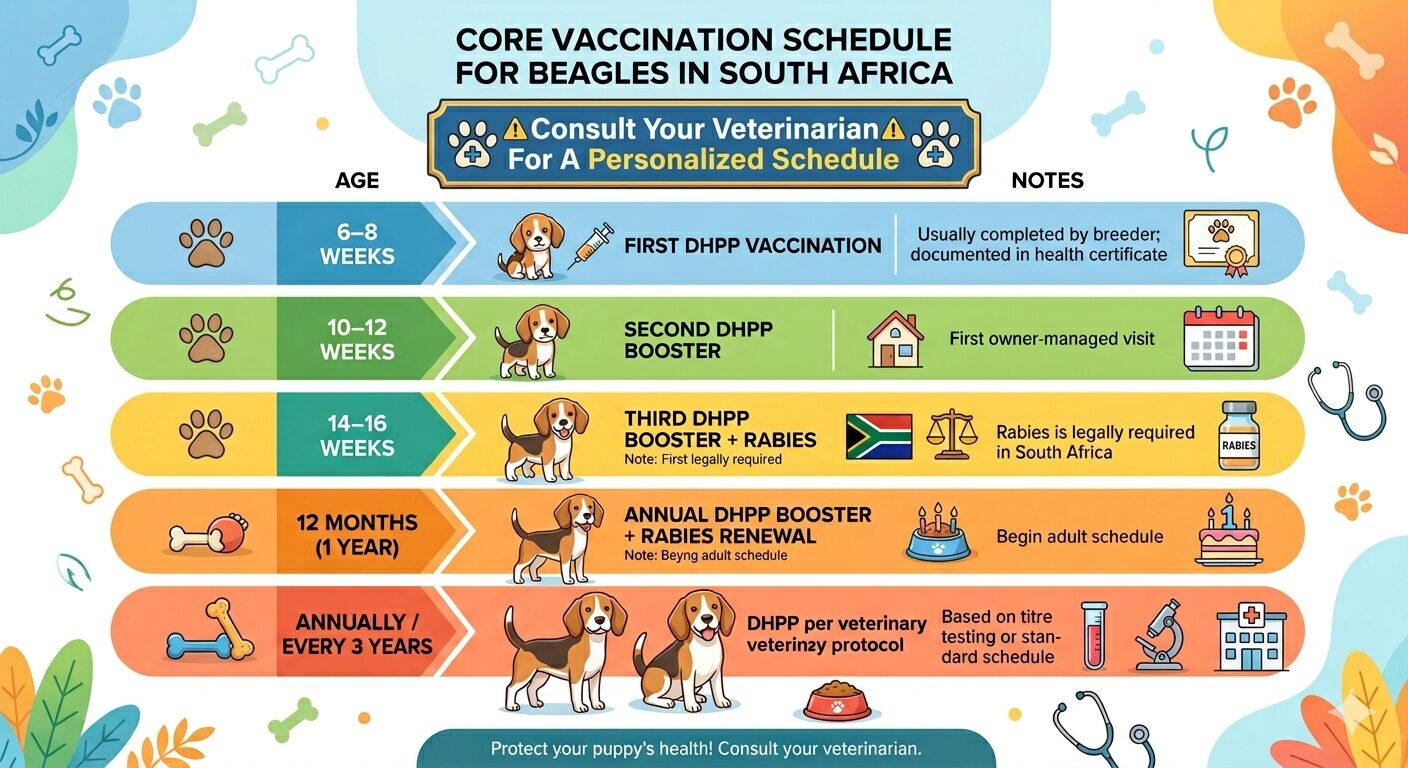
Review the health certificate provided by your breeder at collection — it documents vaccinations completed before placement. Present this at your first veterinary visit so the vet can determine the correct continuation of the schedule. Non-core vaccines, including kennel cough (Bordetella) and leptospirosis, should be discussed based on your Beagle's lifestyle — particularly if they spend time in boarding facilities, dog parks, or multi-dog households.
Adverse reactions to vaccinations are rare but possible. Monitor your Beagle for lethargy, swelling at the injection site, or facial swelling in the 24 hours following vaccination, and contact your vet if any occur.
Ear Infections
The Beagle's Most Common Health Challenge
If there is one health area where Beagle owners consistently underestimate the importance of preventive care, it is ear health. The breed's anatomical structure — long, heavy ears that fold downward and limit airflow to the ear canal — creates conditions that are almost chronically hospitable to bacterial and yeast infections. Beagles that are not managed proactively in this area frequently develop recurrent infections that, over time, can cause permanent damage to the ear canal.
Routine ear checks should be part of every weekly grooming session. A healthy ear canal is pale pink, odourless, and free of visible discharge or debris.
Signs of an ear infection include: head shaking, scratching at the ear, redness or swelling of the canal, dark or discoloured discharge, and an unpleasant odour.
A single unmanaged ear infection lasting more than two weeks can cause changes to the canal lining that increase the likelihood of recurrence. Early treatment is always preferable to repeated courses of medication.
Ear Care Best Practices for Beagle Owners
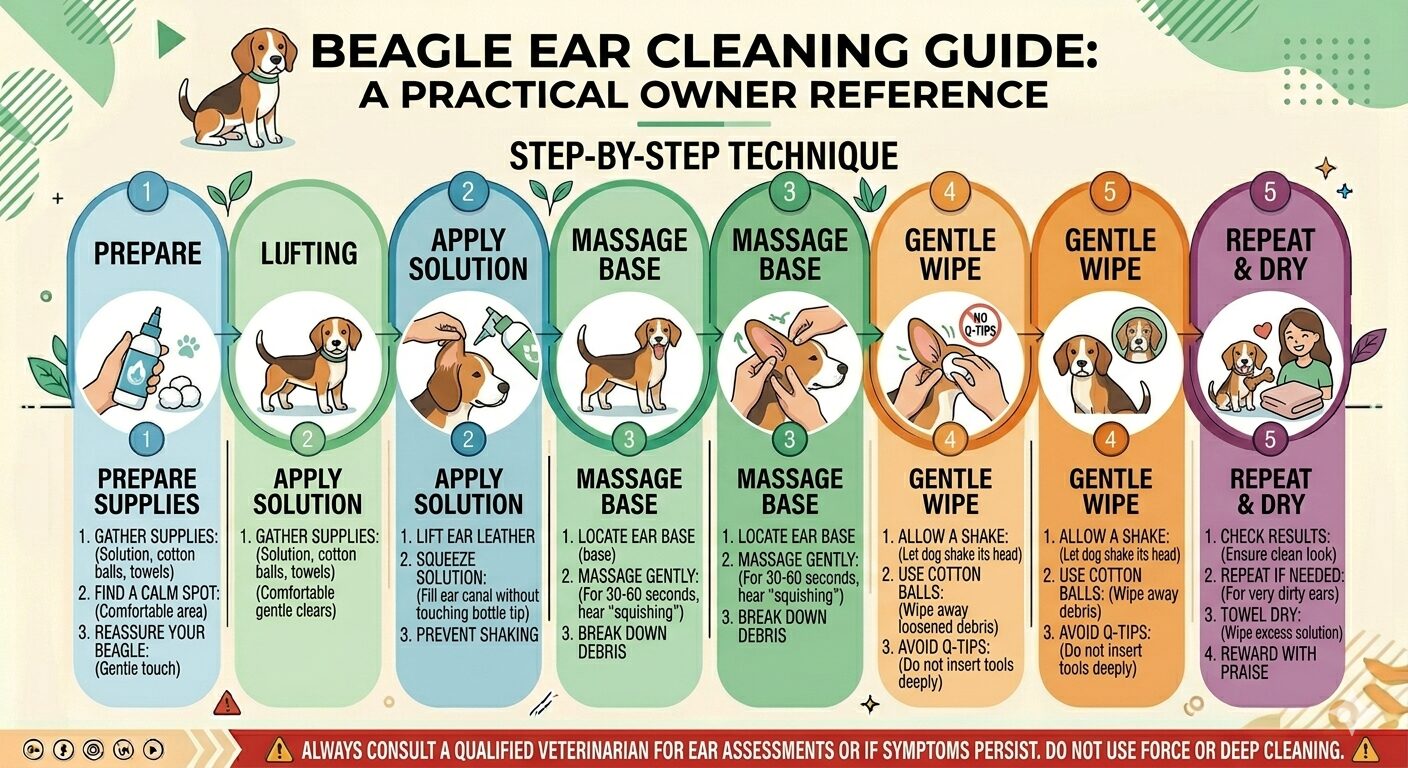
Clean ears with a veterinarian-recommended ear cleanser approximately once a week — or more frequently if your Beagle swims regularly. Never insert anything into the ear canal. Apply cleanser, massage the base of the ear for 30 seconds, then allow the dog to shake and wipe away external debris with a cotton ball. After swimming or bathing, gently dry the outer ear with a soft cloth and ensure the canal opening is as dry as possible. At every routine vet visit, ask your veterinarian to examine the ear canals with an otoscope. Visual inspection from the outside is not sufficient for assessing deep canal health. If your Beagle has a history of recurrent infections, discuss a preventive ear maintenance programme with your vet — including the possibility of a culture to identify the specific organism driving infections.
Obesity Prevention
Why Weight Management Is a Medical Priority for Beagles
Obesity prevention in Beagles is not a matter of aesthetics — it is one of the most important medical priorities a Beagle owner can manage. The breed is among the most food-motivated in the canine world, and their appetite regulation mechanisms are not well-adapted to domestic environments with consistent food availability. Left unmanaged, most Beagles will eat to significant excess.
The ideal weight range for adult Beagles is 9–11 kg for the 13-inch variety and 11–14 kg for the 15-inch variety. Excess weight in Beagles directly worsens joint health, reduces cardiac efficiency, increases anaesthetic risk, and is associated with reduced lifespan. A Beagle carrying 20% excess body weight is meaningfully sicker than they appear. Studies of canine obesity management indicate that dogs maintained at lean body condition live an average of 1.8 years longer than matched overweight counterparts. For a breed with a 12–15 year median lifespan, that figure is significant.
Practical Obesity Prevention Strategies
- Weigh food portions accurately — the feeding guide on dog food packaging is a starting point, not a prescription. Your veterinarian can calculate a precise daily caloric target based on your individual dog's weight, age, and activity level.
- Account for treats in the daily caloric budget. Training with small, low-calorie rewards is both effective and safe; training with standard commercial treats without accounting for them is a common cause of gradual weight gain.
- Beagles will beg convincingly and persistently. This is a breed characteristic, not a signal that the dog is underfed. Owners who respond to begging with food create a feedback loop that is genuinely difficult to break.
- Use a puzzle feeder or slow-feeder bowl for meals. This extends feeding time, promotes satiation, and reduces the likelihood of bloat in dogs who eat rapidly.
- Weigh your Beagle monthly at home using a consistent method (such as weighing yourself holding the dog and subtracting your own weight). Contact your vet if weight increases by more than 5% between routine visits.
Dental Care
The Most Overlooked Element of Beagle Wellness
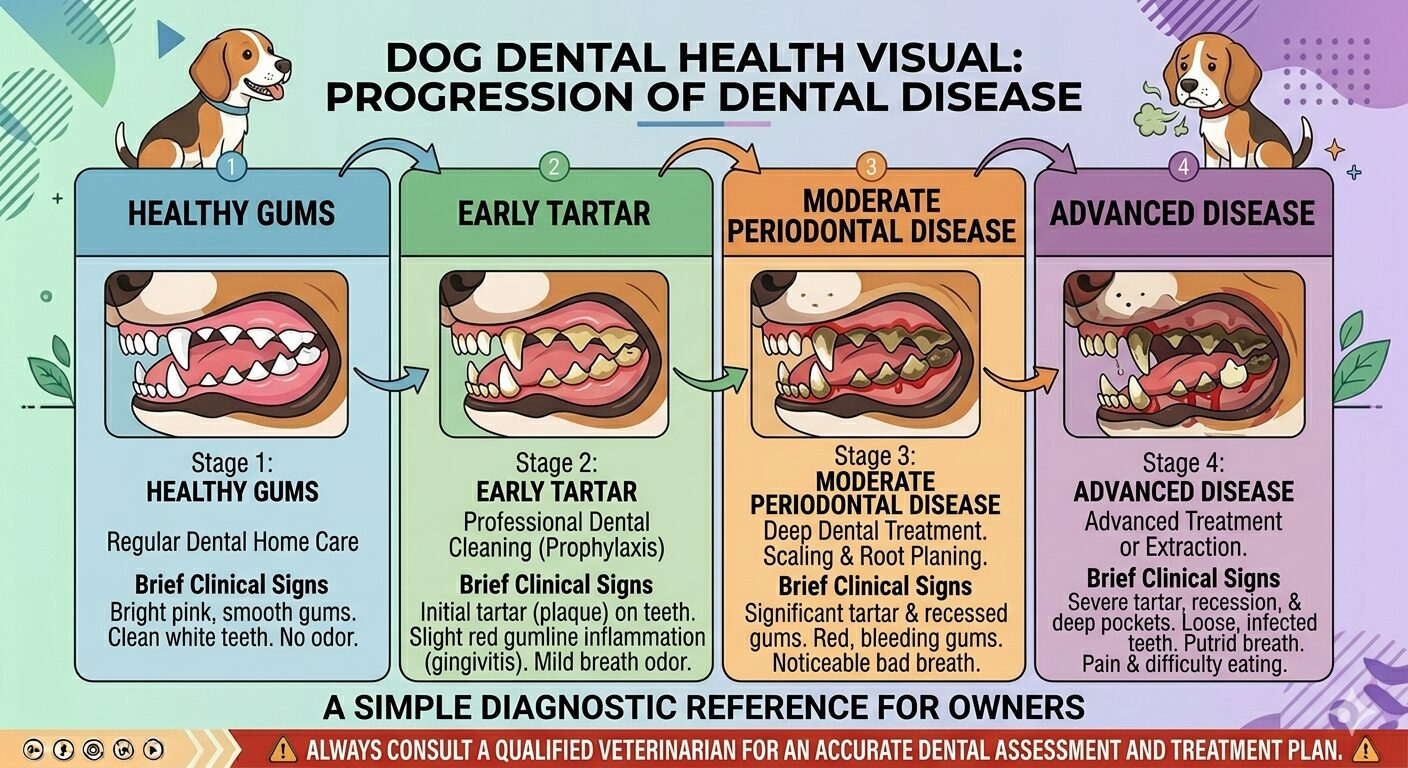
Dental disease affects an estimated 80% of dogs by the age of three — and Beagles, with their love of food and tendency toward plaque accumulation, are not exempt from this statistic. Dental disease is not merely a cosmetic concern: untreated periodontal disease allows bacteria to enter the bloodstream, with documented associations with cardiac, kidney, and liver disease.
- Begin a dental care routine as early as possible — ideally in puppyhood, while the Beagle is receptive to handling and mouth examination.
- Daily tooth brushing with a veterinary-approved enzymatic toothpaste is the gold standard. If daily brushing is not achievable, three times per week is the minimum effective frequency.
- Dental chews, water additives, and dental diets can supplement but should not replace brushing. The mechanical action of a brush on tooth surfaces is irreplaceable.
- Annual professional dental scaling under anaesthesia may be necessary from around three years of age in dogs not receiving regular home dental care.
- Discuss the appropriate timing and frequency with your veterinarian.
Signs of Dental Disease in Beagles
- Persistent bad breath (beyond normal "dog breath")
- Yellow or brown tartar buildup along the gum line
- Red, swollen, or bleeding gums
- Reluctance to chew on the affected side, dropping food, or changed eating behaviour
- Pawing at the mouth or face
Hereditary Concerns
What Beagle Owners Need to Screen For
Beagle breeding has not historically been subject to the same level of formalised health testing that some other breeds have undergone, which means owners cannot always rely on comprehensive parental health documentation. Understanding what hereditary concerns exist in the breed empowers owners to discuss appropriate screening with their veterinarian proactively.
- Hypothyroidism. A blood panel measuring T4 levels is the primary diagnostic test. Symptoms include weight gain despite controlled diet, lethargy, a dull coat, and cold intolerance. Highly manageable with daily oral medication once diagnosed.
- Idiopathic Epilepsy. There is no pre-purchase DNA test currently available for Beagle epilepsy. If seizures occur, veterinary neurological assessment should be sought promptly. Medication management is effective for the majority of affected dogs.
- Hip Dysplasia. Hip scoring via radiograph from 12 months is appropriate for any dog showing gait abnormalities. Routine screening in the absence of clinical signs is less standard in Beagles than in breeds with higher prevalence, but worth discussing with your vet given the dog's lifestyle.
- Factor VII Deficiency. A hereditary bleeding disorder with higher prevalence in Beagles than in most breeds. Affected dogs have prolonged bleeding times; the condition is typically mild but should be identified before any surgical procedure.
Chinese Beagle Syndrome (CBS): A developmental condition causing skull abnormalities and a characteristic wide-set eye appearance, with associated cardiac defects. Reputable breeders screen for this; buyers should ask about it specifically.
Responsible breeding is the first line of defence against hereditary conditions, but it is not a guarantee. If you did not receive comprehensive health documentation at the time of your puppy's placement, the Complete Guide to the Beagle on this site provides detailed breed background that will help you identify which questions to raise with your veterinarian. For a complementary perspective on what professional breeder health communications should include, the resource on Breeder-Owner Communication Best Practices at PemberDiamonds outlines the standard you are entitled to expect.
Heartworm and Parasite Prevention
A Year-Round Commitment
Heartworm disease is transmitted by mosquitoes and, if left untreated, is fatal. In South Africa, where mosquito activity is present across most of the year in many regions, heartworm prevention is not a seasonal consideration — it is a year-round commitment. Treatment of established heartworm infection is complex, prolonged, and expensive; prevention is simple, inexpensive, and highly effective.
- Monthly heartworm preventatives are the standard. Most modern combination products cover heartworm, intestinal parasites, and in some formulations, flea and tick prevention simultaneously.
- Annual heartworm testing is recommended even for dogs on consistent preventatives — to verify that the current protocol is effective and to detect any infection that may have occurred during a lapse in medication.
- Tick-borne disease is a significant concern across South Africa's diverse biomes. Ehrlichia canis (Biliary / Tick Bite Fever) is particularly prevalent and can be life-threatening. A comprehensive tick prevention programme — topical, collar, or oral — is non-negotiable in most South African regions.
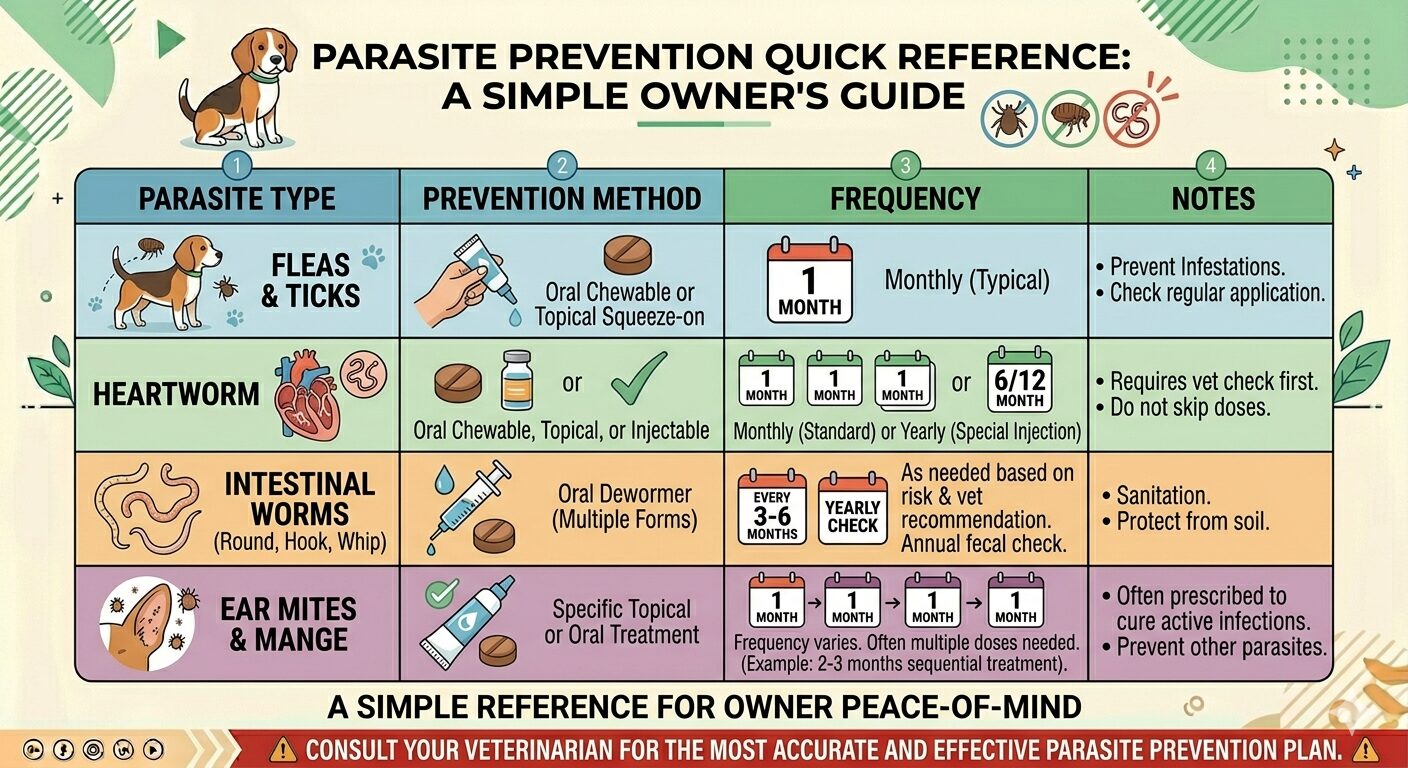
Preventative measures of this kind are considerably less expensive than treatment after the fact — and far less distressing for both the dog and the owner. Establish the habit early and maintain it without gaps.
Routine Screenings and Building a Wellness Calendar
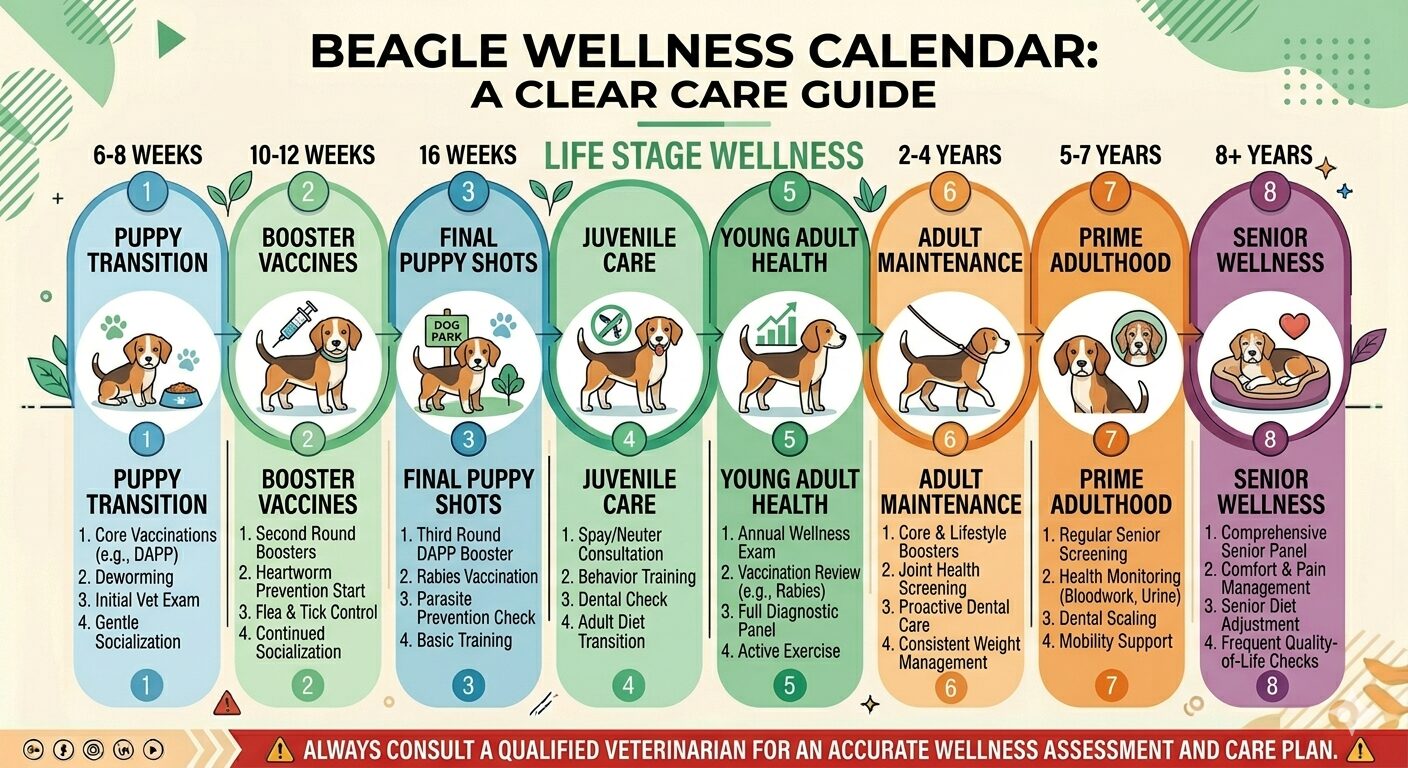
Bringing all the elements of this guide together into a practical schedule is what transforms knowledge into action. A Beagle wellness calendar — maintained consistently and reviewed with your veterinarian annually — gives your dog the systematic, ongoing care that supports a long, comfortable life.
Every adult Beagle should have at minimum one annual comprehensive wellness check, including physical examination, weight assessment, dental evaluation, and a review of the current preventive care programme. Blood panels — including thyroid function screening — are recommended annually from around six years of age, or earlier if clinical signs of hypothyroidism are observed. Senior Beagles (eight years and older) benefit from six-monthly veterinary visits and should have a full senior health panel including urinalysis, blood chemistry, and blood pressure assessment.
The Beagle's olfactory capabilities — their most celebrated physical attribute — are also medically relevant. Chronic respiratory infections, nasal discharge, or changes in scenting behaviour can signal systemic health issues that deserve veterinary attention. For more on the breed's sensory biology and how health intersects with the Beagle's most defining characteristic, Olfactory Fatigue and Recovery on this site is a genuinely illuminating read.
 Expert Insight
 Expert Insight
"The single most common mistake Beagle owners make is interpreting their dog's good mood as a health indicator. Beagles are stoic in a very particular way — they do not broadcast pain through behaviour change the way many breeds do. A Beagle with a chronic ear infection, early hypothyroidism, or mild joint pain will often continue to be cheerful, food-motivated, and apparently normal right up until the condition is moderately advanced. This breed characteristic is one of the strongest arguments for scheduled preventive care rather than symptom-triggered veterinary visits. Owners who wait for the Beagle to 'seem sick' are, in a significant number of cases, waiting too long. The wellness calendar is not a luxury for Beagles — it is a compensatory monitoring system for a breed that is biologically disinclined to advertise its own discomfort."
— Beagle Health & Wellness, BeaglePuppies.co.za
The non-obvious insight here is behavioural: Beagle stoicism is documented and specific, and it has a direct implication for the owner's monitoring strategy. General guidance to "watch for changes in your dog's behaviour" is insufficient for a breed whose behaviour genuinely does not reliably change in response to early-stage pain or illness. The wellness calendar is not just a scheduling tool — it is a breed-appropriate compensation for a real diagnostic blind spot.
 FAQ
FAQ
 FAQ
FAQ1. What vaccinations does my Beagle puppy need?
The core puppy vaccination series covers distemper, hepatitis, parainfluenza, and parvovirus (DHPP) in three doses between 6 and 16 weeks of age, plus a legally required rabies vaccination at 14–16 weeks. Your puppy's health certificate documents the vaccinations completed by the breeder; your veterinarian will use this to schedule the remaining doses and transition to the adult booster programme.
2. How often should I clean my Beagle's ears?
Once weekly is the standard recommendation for most Beagles, with increased frequency — up to two or three times per week — for dogs who swim regularly or have a history of ear infections. Use a veterinarian-approved ear cleanser only, and never insert objects into the ear canal. If cleaning reveals redness, odour, or dark discharge, book a veterinary assessment rather than proceeding with a home treatment.
3. How do I know if my Beagle is overweight?
Stand over your Beagle and look down — you should see a visible waist narrowing behind the ribcage. Run your hands along the ribcage — ribs should be easily felt without firm pressure but not visibly protruding. If you cannot feel the ribs without pressing, or if the waist is absent when viewed from above, your Beagle is likely overweight. Your veterinarian can confirm with a formal body condition score at the next routine vet visit.
4. What are the signs of hypothyroidism in Beagles?
Weight gain despite controlled feeding, lethargy or reduced exercise tolerance, a dull or thinning coat, dry skin, cold intolerance, and slower heart rate are the most common clinical signs. Hypothyroidism is diagnosed with a simple blood panel and, once confirmed, is managed effectively with daily oral thyroxine supplementation. Most dogs respond well within four to eight weeks of starting treatment.
5. How do I prevent heartworm in my Beagle?
Monthly oral preventatives are the most effective and convenient approach. Most modern combination products cover heartworm alongside intestinal parasites and sometimes external parasites too. Annual heartworm testing is recommended even for consistently medicated dogs. If there has been any lapse in the prevention programme, discuss testing with your veterinarian before resuming medication, as administering preventatives to a dog with an active infection carries risk.
6. At what age should beagle health checks for hereditary conditions begin?
Basic genetic health screening discussion should begin at your first adult wellness visit — from 12 months. Thyroid function testing is typically introduced from around six years unless clinical signs appear earlier. Hip assessment via radiograph is warranted if gait abnormalities are observed at any age. For Beagles whose parental health history is unknown, a broader wellness blood panel at 12 months provides a useful baseline for future comparison.
7. Is dental disease really a serious health issue in Beagles?
Yes — and consistently underestimated. Untreated periodontal disease in dogs allows bacteria direct access to the bloodstream, with documented associations with cardiac, kidney, and liver damage. Beagles are particularly food-motivated, which increases their exposure to food residue around the teeth. A daily or near-daily brushing routine started in puppyhood is the most effective preventative measure, supplemented by annual professional scaling when indicated.
8. What is the best way to monitor my Beagle's weight at home?
Weigh your Beagle monthly using a consistent method — most owners find it easiest to step on a bathroom scale holding the dog, then subtract their own weight. Maintain a simple log. A 5% or greater increase from one month to the next is a practical trigger for dietary review and, if persistent, a veterinary consultation. Do not wait for a dramatic weight change to act — gradual accumulation is harder to reverse.
9. Can routine vet visits detect hereditary conditions before symptoms appear?
For some conditions, yes. Blood panels can detect hypothyroidism before clinical signs are severe. Ophthalmological examinations can identify early retinal changes. Orthopaedic assessments can reveal hip joint abnormalities before the dog shows obvious lameness. This is precisely why routine screenings are emphasised — they extend the window for intervention before the condition has significantly affected quality of life.
10. How does the Beagle's sense of smell affect their health and wellness management?
The Beagle's olfactory capability is central to their identity and their physical wellbeing. Anything that compromises nasal function — chronic respiratory infections, nasal discharge, polyps, or injury — should be assessed promptly. Beyond physical health, mental wellness for a scent hound breed is deeply tied to olfactory stimulation; owners who provide regular scent-based enrichment support cognitive health and reduce stress-related behaviours. Our guide on Olfactory Fatigue and Recovery explores the science of scent and rest in detail.
Conclusion
The Beagle's good nature should not be confused with an absence of health needs — and this guide has laid out exactly what those needs are. The three most important takeaways are: first, that the combination of consistent vaccinations and a structured parasite prevention programme forms the bedrock of Beagle wellness and is non-negotiable at every life stage; second, that ear infections and obesity are the two most preventable chronic health challenges in the breed, and both respond dramatically to proactive owner management; and third, that Beagles are stoic in a breed-specific way that makes scheduled routine screenings more important than symptom-monitoring alone.
This Beagle health and wellness guide has delivered what it promised - a clear, practical, and complete framework that gives you the tools to be proactive rather than reactive. Every routine vet visit you attend, every weekly ear check you complete, and every portion of food you measure accurately is an investment in a longer, more comfortable life for your Beagle.
The Health and Wellness decisions you make in the early years of your Beagle's life are the foundation of everything that follows. You now have the knowledge to make those decisions well.
 Call to Action
 Call to Action
Great health starts with a great understanding of your breed. If you want to go deeper on what makes Beagles the extraordinary animals they are — including the sensory biology that shapes their behaviour and care requirements — the Complete Guide to the Beagle is the most comprehensive starting point on this site. And if your Beagle's nose is as much a part of their personality as their appetite, Olfactory Fatigue and Recovery will give you genuinely fascinating insight into how to support their most defining sense. At BeaglePuppies, every article is written to grow your confidence as an owner — because a confident owner is the best thing a Beagle can have.